

I never thought I would see the day when I sit down in that chair without my stomach dropping.
Fifteen years of being told I was one of those people. Bad luck, bad genetics, soft teeth.
If you have heard that about yourself, you already know the routine.
- … the hygienist starts reading numbers out to somebody you cannot see
- … there is a pause, and then the pause goes on slightly too long
- … you hear we will keep an eye on that one, which everybody knows means next time
- … you get the quote at reception and do the maths on it in the car
- … and you go home and brush harder, which has never once worked
Two fillings a year, most years, for fifteen years.
I brushed twice a day. I flossed. I used the fluoride paste the dentist handed me. It made no difference I could measure.
The part that got under my skin was the fatalism. Nobody ever told me what to do differently. They told me what I was.
If that is your mouth, there is something nobody explained to me for fifteen years.
Enamel is the only tissue in your body that has no living cells in it. Bone heals itself. Skin heals itself.
Enamel cannot. It has no mechanism to. Every gram of it you lose is gone unless mineral arrives from outside and gets put back.
Which raises the question I should have asked in about 2011.
What exactly, in that tube I had been using for fifteen years, was the mineral?
One thing before I go further. I am one of the people who ended up making the product I describe near the end of this. You can decide what to do with that when you get there.
The fifteen years came first.
Nine Out Of Ten Adults Have Had This, And Almost Nobody Is Told Why
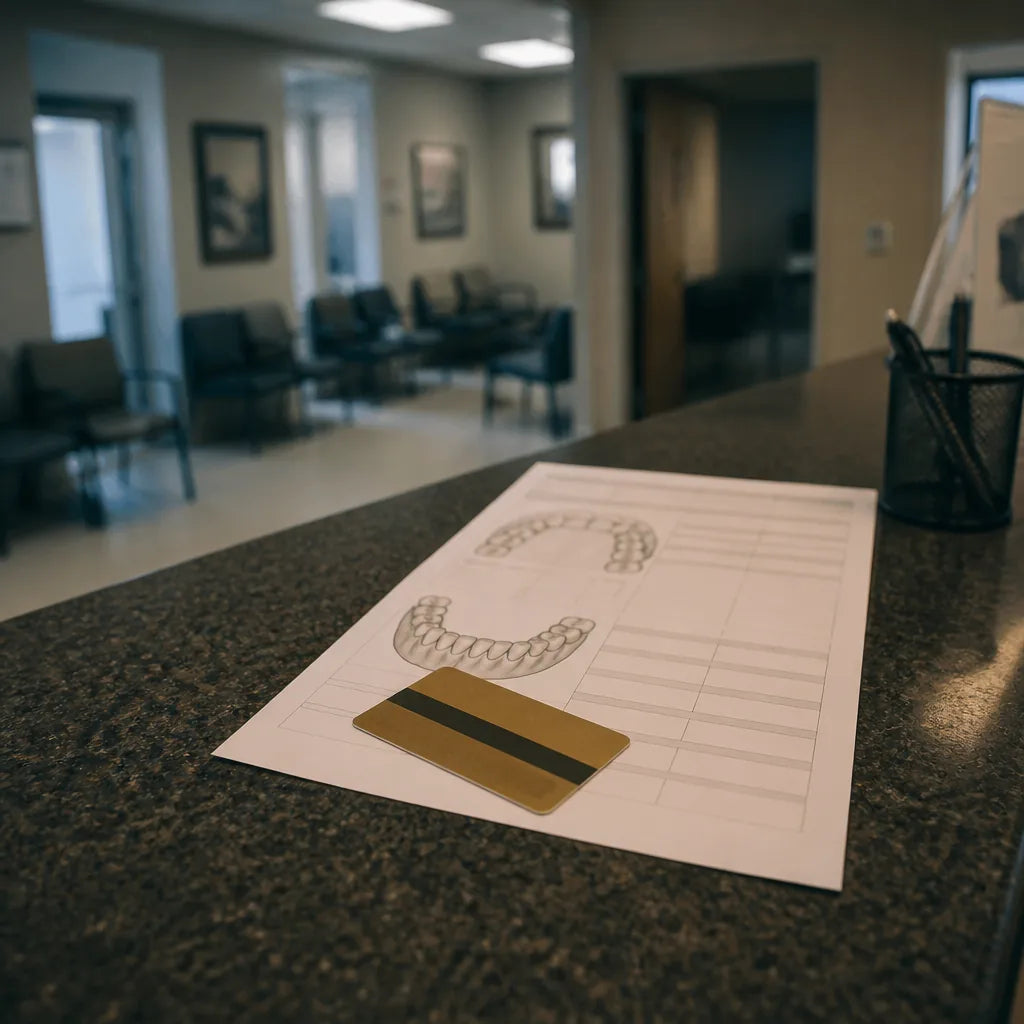
Roughly nine in ten American adults between 20 and 64 have had cavities. About one in four are walking around with untreated decay right now.
Those are CDC numbers, and they have barely moved in decades of fluoride being in the water and in every tube on the shelf.
So the story where cavities are a personal failure of discipline does not survive contact with the data.
Nine out of ten people are not lazy about brushing.
Something else is going on, and it happens several times a day in everybody's mouth.
The Twenty Minutes After Everything You Eat
Bacteria in your mouth eat what you eat and produce acid doing it.
Below a pH of roughly 5.5, enamel starts dissolving. That is chemistry, and it happens in every mouth including yours and mine.
Then saliva goes to work. It is supersaturated with calcium and phosphate, and over the following half hour it deposits some of that mineral back into the surface.
A tooth is the running total of those two things fighting.
Take mineral out four or five times a day. Put some of it back in between. As long as the second number keeps up with the first, you have a tooth.
A cavity is what a losing streak looks like after a few years. Nothing dramatic happens on any single day, which is exactly why nobody catches it happening.
Now here is the part that reframed everything for me.
The Cavity Starts Underneath A Surface That Still Looks Fine
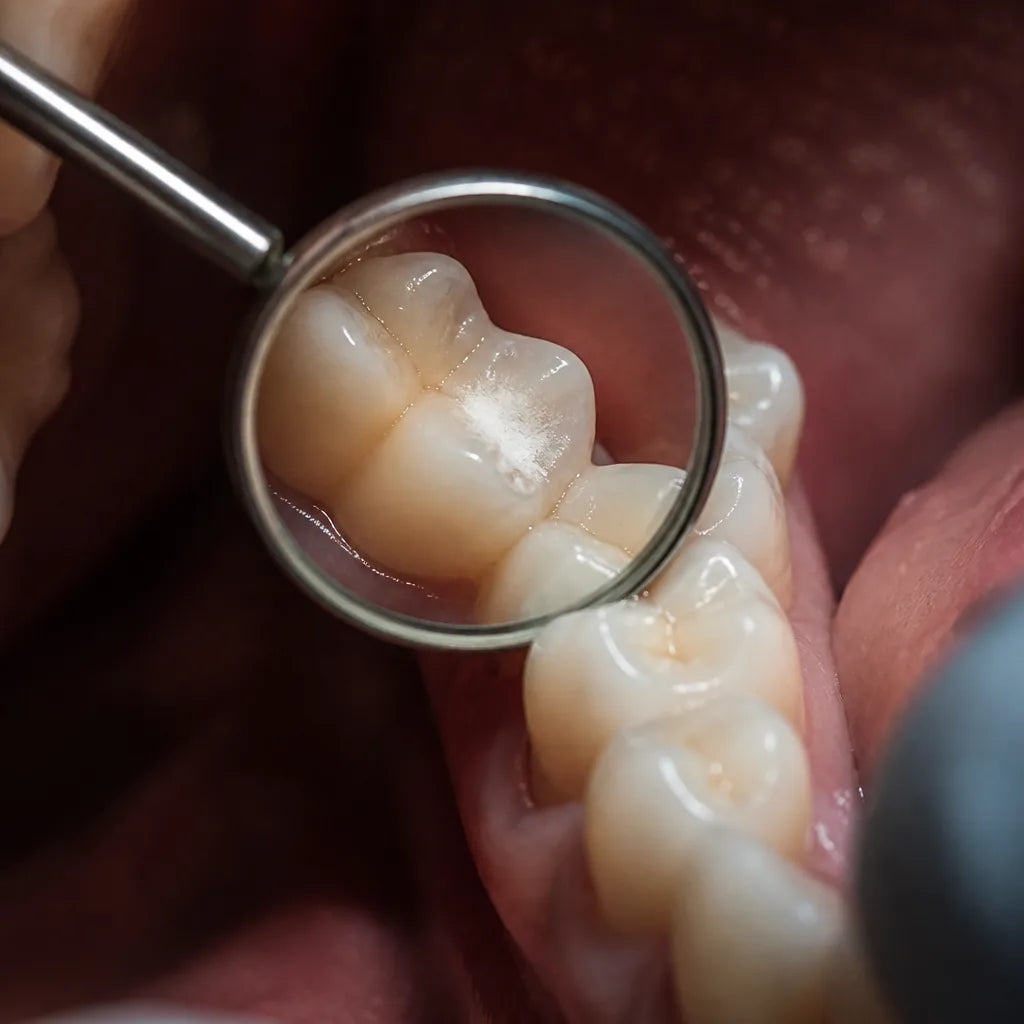
The mineral does not come out of the outside face of the tooth first.
It comes out from underneath, while the outer layer stays intact and looks completely normal.
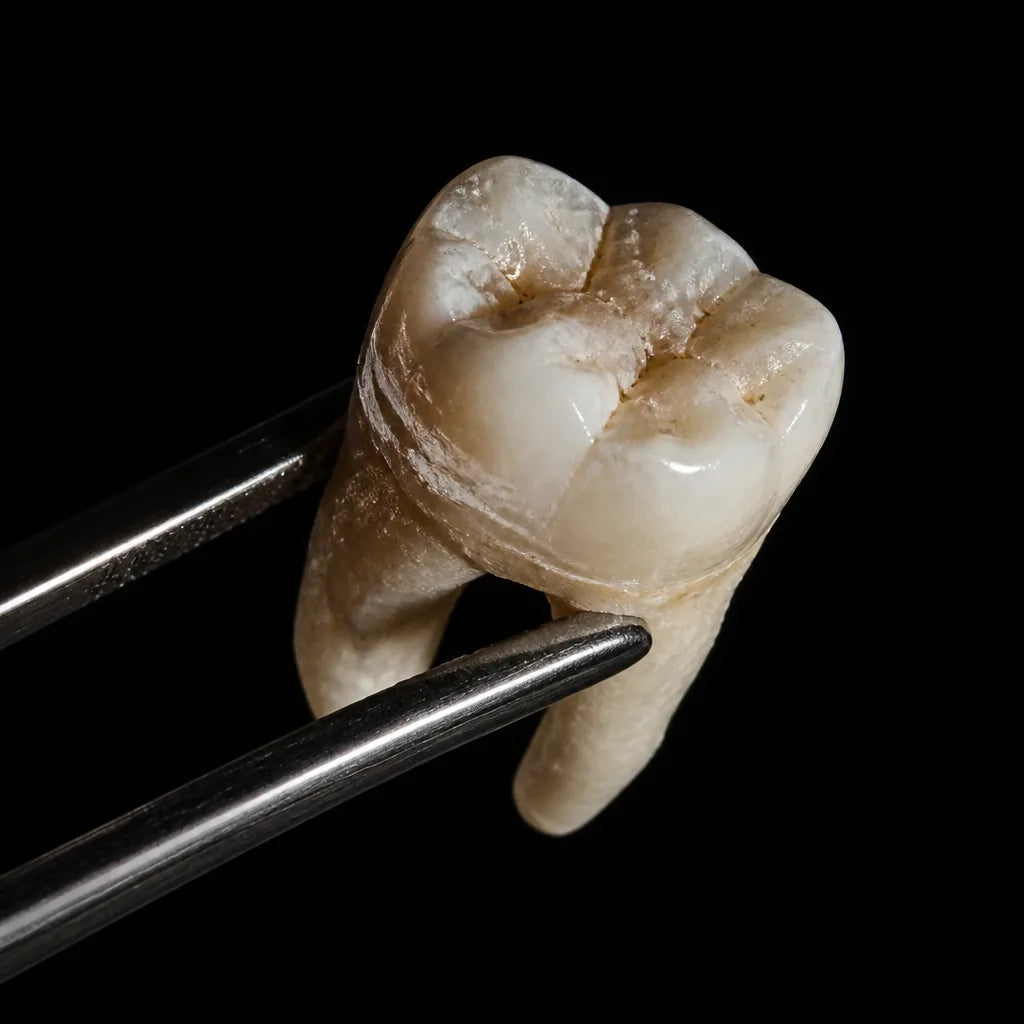
Dentistry has a name for what that leaves behind. A subsurface lesion. If you have ever been shown a dull chalky patch on an X-ray and told it is being watched, that is one.
It is a hollow forming under a roof that has not fallen in yet. When the roof does go, that is the day it becomes a filling.
Which is why the answer is never that you should have brushed harder.
By the time anybody can see it, mineral has been leaving that spot for years.
And it is why the only thing that has ever mattered is whether enough mineral is getting back in.
“Fluoride Does Not Bring Any Mineral With It”
I want to be careful with this, because fluoride works and I am not going to pretend otherwise.
Fluoride has decades of population-level evidence behind it and it has kept an enormous number of teeth in an enormous number of heads.
But fluoride is not made of tooth. It contains no calcium and no phosphate.
What it does is incorporate into the enamel surface to form fluorapatite, which is harder to dissolve in acid, and it speeds up the process of putting mineral back.
The mineral it puts back is not its own. It is yours. It comes out of your saliva.
Fluoride is the thing standing at the site telling the material where to go.
It never once shows up carrying any material.
Which is a fine arrangement if your saliva is doing well. Plenty of people's is not.
Saliva production drops with age. Hundreds of common medications dry the mouth out, from blood pressure drugs to antihistamines to antidepressants. Breathing through your mouth at night does it too.
Fifteen years I spent asking a catalyst to do a job while quietly running short on the raw material.
And nobody ever mentioned that there was a raw material.
“So Why Isn't Anyone Selling The Mineral Itself?”
Two reasons, and neither one needs anybody to have behaved badly.
The first is regulatory. In the United States fluoride sits inside a settled over-the-counter framework, and a brand using it inherits decades of established approval plus the right to print the familiar claims on the box.
Anything else has to stand there and explain itself from scratch.
The second is that fluoride did the job at population scale, so the question stopped being asked around 1960.
Nobody is hiding anything. The mineral has been sold in another country for four decades and it never became the default here, and the reasons for that have nothing to do with whether it works.
What Held Up When I Went Looking For The Mineral
Once you know a tooth is a running balance, you stop asking what protects enamel.
You start asking what puts it back.
Three things held up. The first is obvious enough that it is faintly embarrassing.
Enamel Is Roughly 97% One Mineral, And That Mineral Has A Name
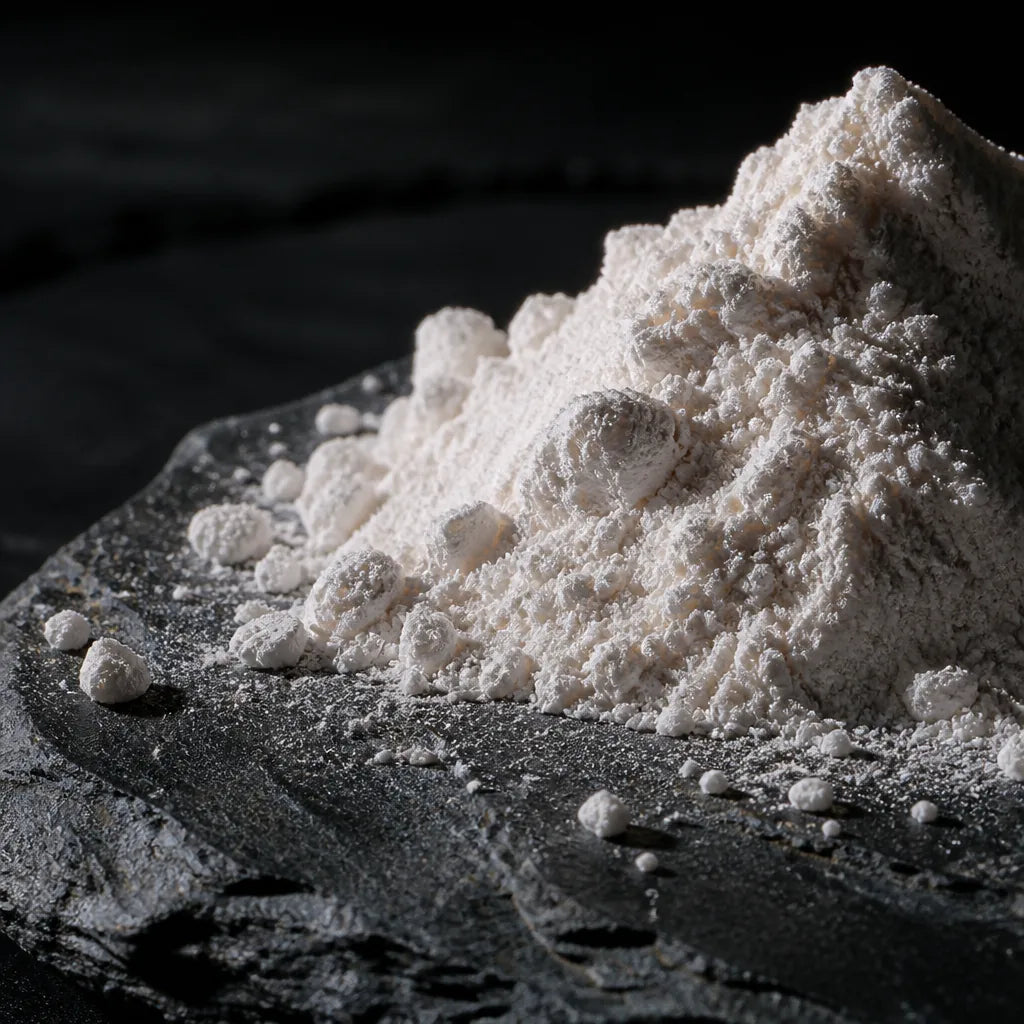
Tooth enamel is the hardest tissue in the human body and it is about ninety-seven percent hydroxyapatite by weight. The rest is water and protein.
Hydroxyapatite is a calcium phosphate. It is the calcium and the phosphate, already in the arrangement a tooth uses them in.
Brushing with it means the material arrives at the tooth instead of being requested from saliva that may not have any to spare.
There is no substitute mineral and no translation step in the middle.
Particle-sized hydroxyapatite is also small enough to settle into the surface porosity of a demineralised patch rather than sitting on top of it.
An 18-Month Trial Put It Head To Head Against Fluoride In 189 Adults
This is the study that ended the argument for me, because it is the study nobody in this category had been able to point at before.
An eighteen-month, double-blinded, randomised trial. Adults, not lab dishes. A fluoride-free hydroxyapatite paste against a standard 1450 ppm fluoride paste.
The endpoint was whether people picked up any new decay at all across a year and a half.
The hydroxyapatite group came in at 89.3 percent with no increase. The fluoride group came in at 87.4 percent.
The authors' conclusion was that hydroxyapatite is a safe and efficient anticaries agent. Not a gentler option. An equivalent one.
It Came Out Of A NASA Lab And Japan Approved It Against Cavities In 1993
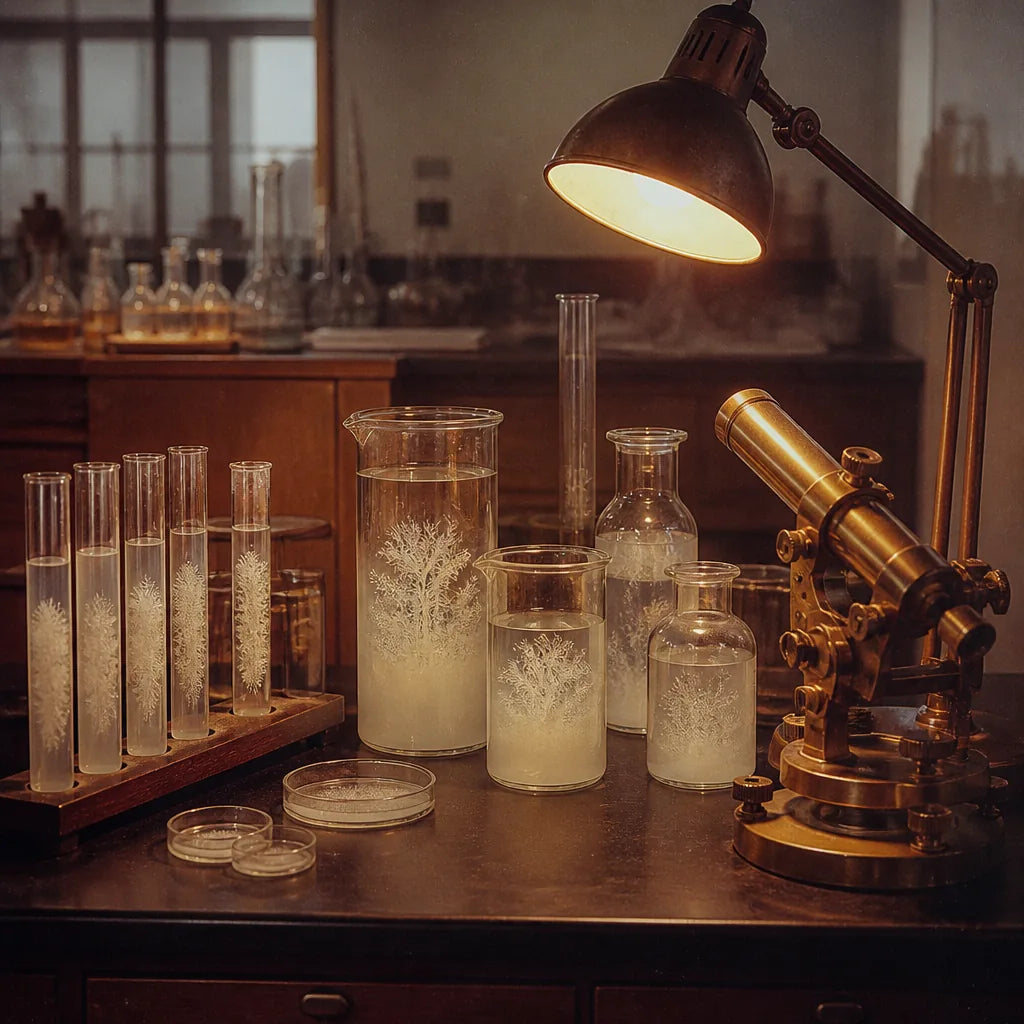
In the 1960s a NASA scientist named Bernard Rubin was studying how semiconductor crystals grow inside silica gel at the agency's Electronics Research Center.
He noticed the process mirrored the way hydroxyapatite crystals form in bone and teeth. In 1972 NASA patented a method for repairing teeth by growing hydroxyapatite on the surface.
A Japanese company, Sangi, licensed it. The world's first hydroxyapatite toothpaste went on sale in Japan in 1980.
In 1993 Japan's health ministry approved hydroxyapatite as an anticaries agent. It has been an ordinary pharmacy item there ever since.
The technology was later inducted into the Space Technology Hall of Fame.
The only new thing about hydroxyapatite is how recently it turned up on American shelves. It was never experimental. It was somewhere else.
And The Detergent Had To Come Out, Because It Was Never Doing Anything
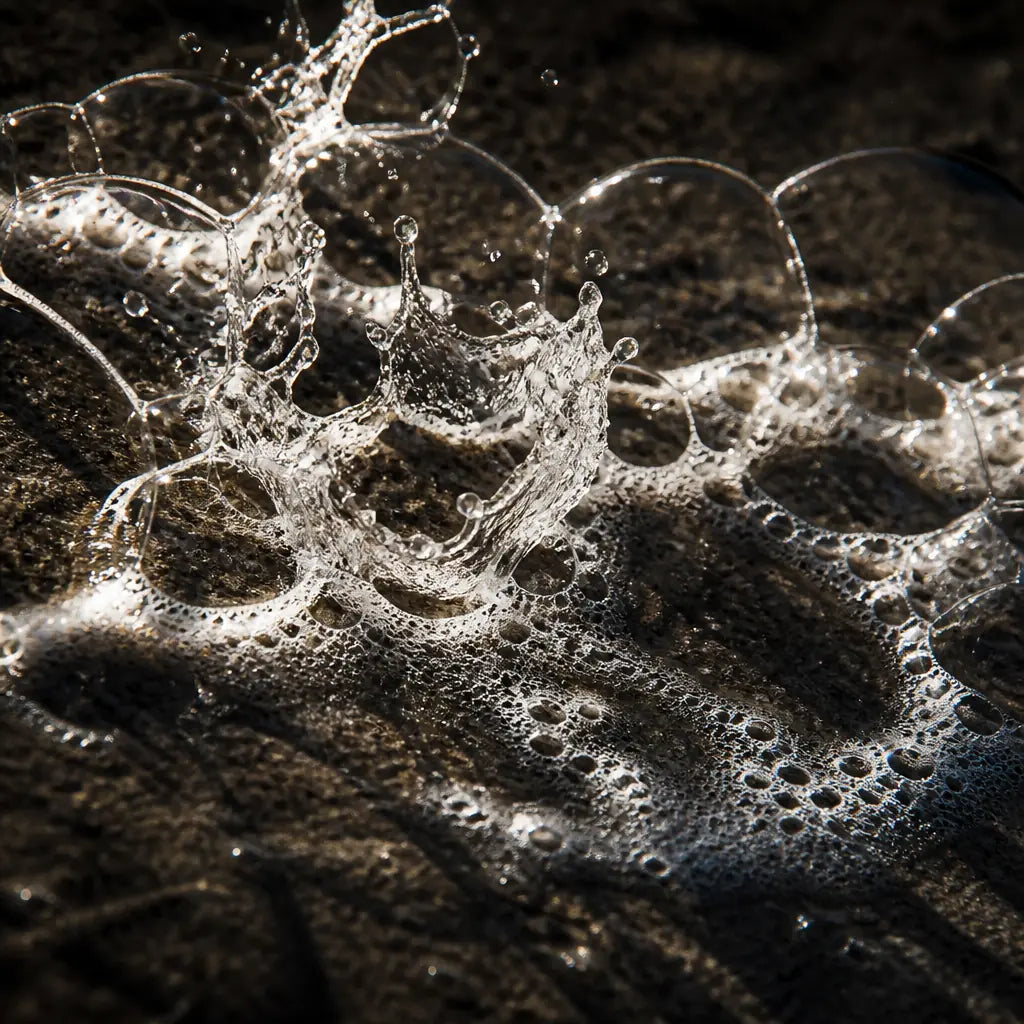
Sodium lauryl sulfate is in most toothpaste for one reason. Foam.
Foam feels like cleaning, so people believe the foam is the cleaning. It is a detergent. It scrubs nothing.
Clinical work has linked SLS-free paste to fewer recurrent mouth ulcers in people who get them, and SLS is why orange juice tastes like metal for twenty minutes after you brush.
There is none of it in the tablet, so breakfast tastes like breakfast again.
So We Made The Thing That Was Not On The Shelf
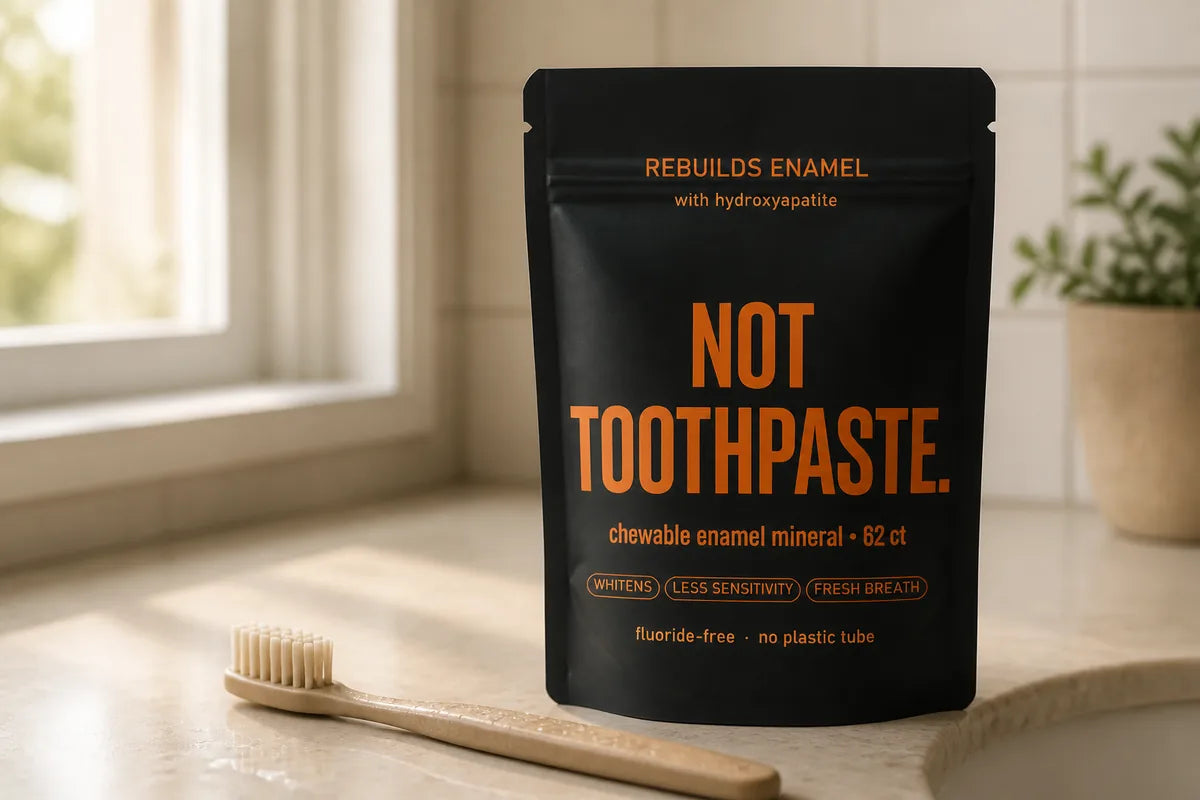
I could not buy the thing I had spent two months describing to myself.
The hydroxyapatite pastes I could find were imported, expensive, and still arrived as a plastic tube mostly full of water.
So we built it as a chewable tablet, and we called it NOT TOOTHPASTE.
You crunch one, brush the same two minutes with the same brush, spit, and skip the rinse so the mineral stays on the tooth instead of going down the drain.
There is no fluoride in it and no SLS. Both of those are decisions.
NOT TOOTHPASTE · a chewable enamel mineral built on hydroxyapatite
- Rebuild Enamel Naturally
- Stronger Enamel, Fewer Cavities
- Gently Whiter Teeth
- Fresh Breath All Day
- Fluoride-Free, Safe To Swallow
Full ingredient list and supply options on the product page
The First Month Was Not The Interesting Part
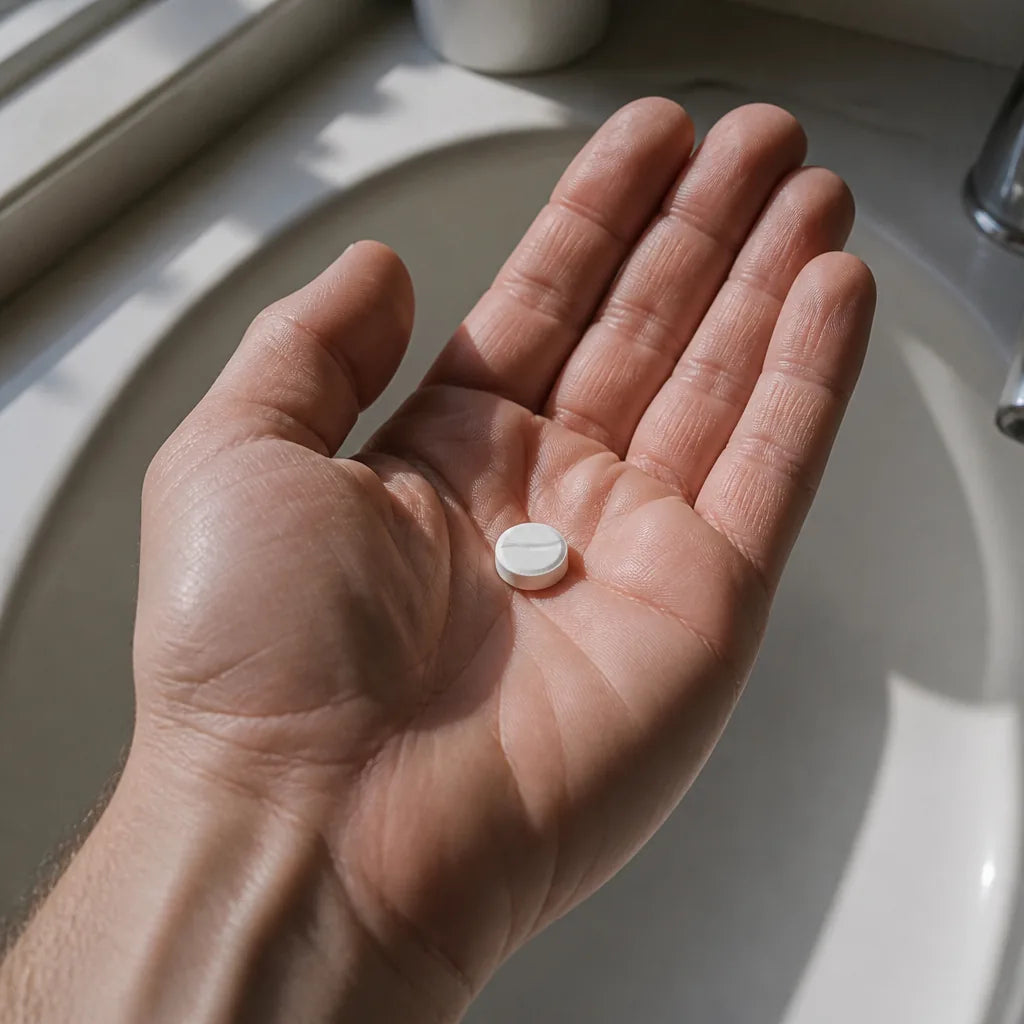
The first thing you notice has nothing to do with enamel. There is no foam, and your mouth has firm opinions about that for about three days.
Then breakfast starts tasting right, which is small until you realise it happens every single morning.
The part I cared about took until the next check-up.
Four months. Same practice, same hygienist, same chair I had been dreading since I was thirty.
She read the numbers out and then stopped, because there was nothing after them.
I asked her to say it again. That is a true detail and I am aware of how it sounds.
I have had two more appointments since, and I have not booked a filling in either of them.
What Changes Is The Thing You Stopped Expecting

You stop bracing in the waiting room.
You stop hearing your own teeth described as a character flaw you were born with.
You stop keeping a few hundred dollars mentally set aside twice a year for whatever they find.
And you stop assuming the next one is coming, which is a background noise you forget you have been living with.
Fifteen years I believed my teeth were something that happened to me.
They were a balance, and nobody had ever handed me the other side of it.
Check Availability On The Pouch →62 tablets · peppermint · fluoride-free · no plastic tube
What People Say After The Third Pouch
The Questions I Had Before I Would Have Bought This
Is it safe to go without fluoride?
Hydroxyapatite has been approved in Japan as an anticaries agent since 1993 and sold there ever since. An 18-month double-blinded randomised trial in adults found a fluoride-free hydroxyapatite paste was not inferior to 1450 ppm fluoride on new decay.
Anyone whose dentist is treating active decay should keep that conversation going and bring the pouch to the appointment.
Can it fix a cavity I already have?
No, and anybody telling you otherwise is selling badly. Once the surface has broken through, that is a filling. What mineral does is work on the balance from here, including on the demineralised spots that have not broken through yet.
How long until I would know?
Your next check-up is the honest answer, because the thing being measured is whether anything new turned up. The taste change happens in the first few days and the rest of it is slow by nature.
How is a tablet supposed to clean anything?
You chew it until it breaks down into paste, then brush the same two minutes with the same brush. The tablet ships the working part of a tube and leaves the water behind.
Can I swallow it, and can my kids use it?
Yes on both, which is one of the practical arguments for leaving fluoride out. There is nothing in it that needs spitting out and nothing that matters if a seven-year-old swallows the lot.
How It Compares To What Is In The Drawer Now
| NOT TOOTHPASTE | Fluoride paste | Sensitivity paste | Whitening strips | |
|---|---|---|---|---|
| Brings calcium and phosphate with it | Yes | No | No | No |
| Depends on your saliva having spare mineral | No | Yes | Yes | N/A |
| Same mineral enamel is made of | Yes | No | No | No |
| Head-to-head 18-month randomised trial | Yes | Yes | No | No |
| Free of SLS detergent | Yes | Rarely | Rarely | N/A |
| Safe to swallow | Yes | No | No | No |
| No plastic tube | Yes | No | No | No |
If You Do Nothing, You Already Know How The Next Appointment Goes
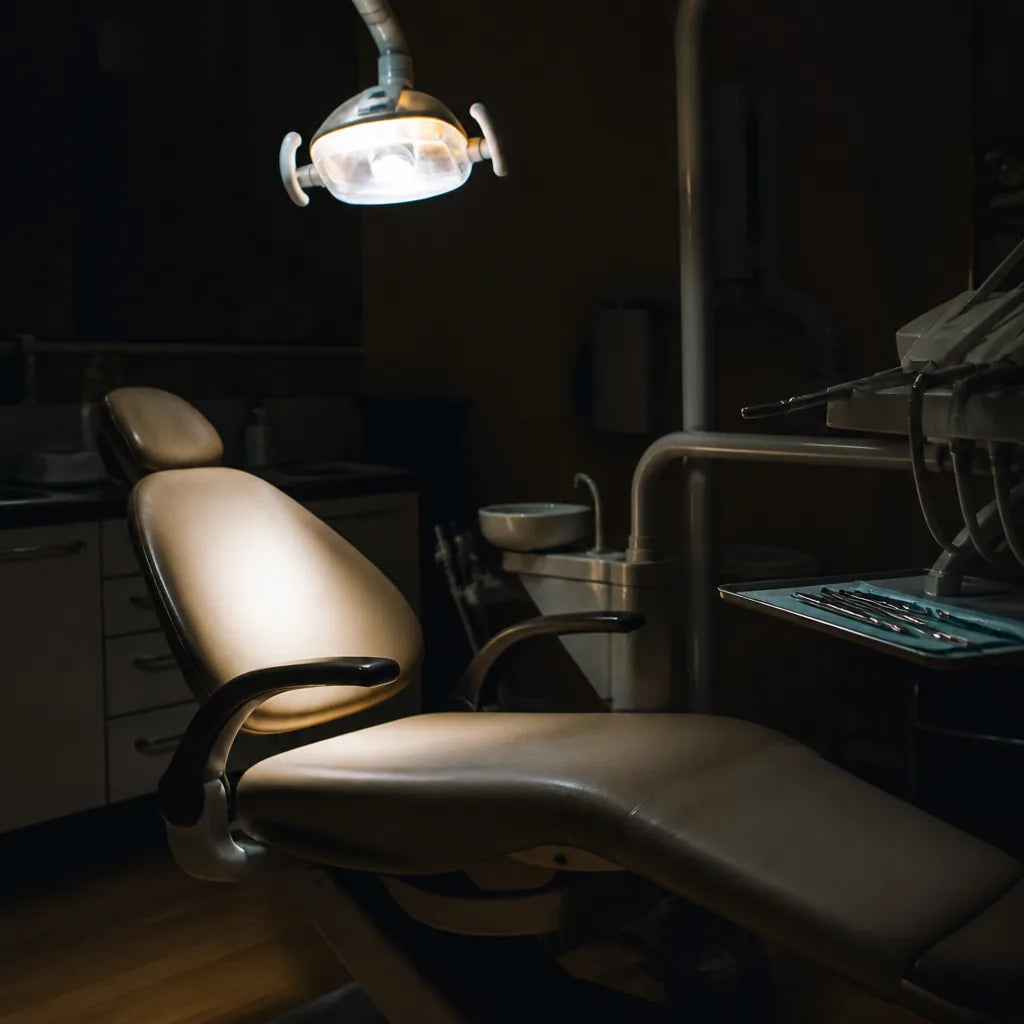
You will go in around the six-month mark. Somebody will read numbers out to somebody else.
There will be a pause, and you will already know what the pause means, because the spot they have been watching has been losing mineral the entire time they were watching it.
Then you will pay for it, book the follow-up, and go home and brush harder.
That was my fifteen years, and every single one of them I thought it was something about me.
Or you swap the paste for the mineral and find out at the next appointment whether the balance moves.
62 days. Chew the whole pouch. If you want your money back for any reason, you get all of it.
An empty pouch is fine and you ship nothing back. Email us inside 62 days and it is done.
We would rather carry that than have you gamble on a category that has told you for years the problem was you.
Enamel has no living cells in it. Nothing about that changes, and it is the reason this is a balance rather than a habit.
Mineral leaves several times a day whatever anybody does. The only question that has ever mattered is what is putting it back, and for fifteen years my answer was a tube that never carried any.
Check Availability And See The Full Ingredient List →62 tablets a pouch · peppermint · fluoride-free · 62-day empty-pouch guarantee