Your Jeans Fit This Morning. Why Are They Hurting by Dinner?
You ate the lunch you planned. You stayed under your calories. By late afternoon, your stomach still feels packed and your clothes feel tighter.
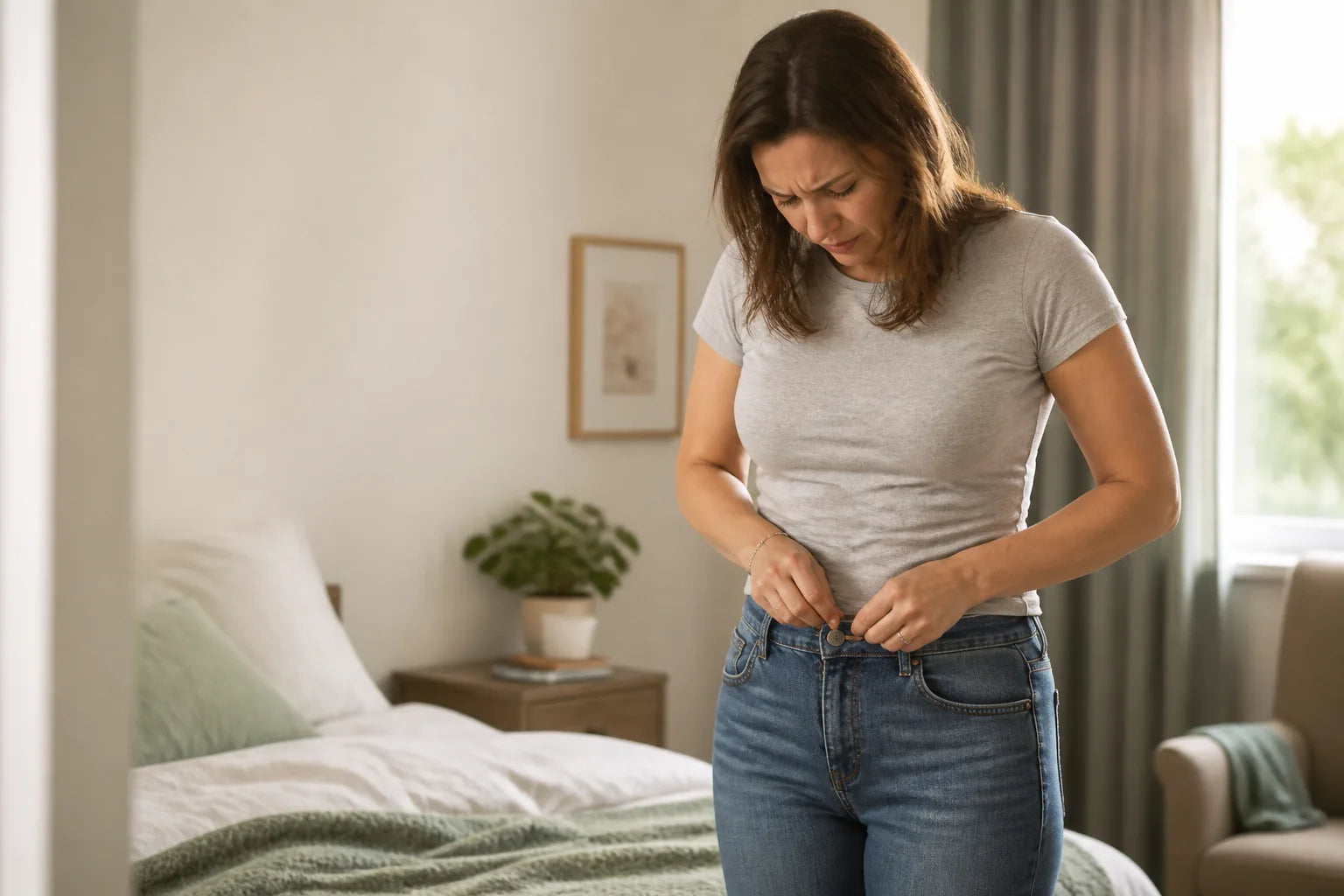
When the same jeans feel different across one day, another smaller meal may be aimed at the wrong part of the problem.
It is 4:17 in the afternoon. The food app says you did everything right.
Breakfast fit the plan. Lunch was smaller than the meal you wanted. You skipped the bread, measured the dressing, and stopped eating before you felt satisfied.
Your stomach still presses into the waistband of the jeans that buttoned without a fight this morning.
You sit differently at your desk because the button digs into your lower stomach. Before you stand up, you pull your shirt forward. If you have plans tonight, you are already thinking about the loose black top.
The physical discomfort is bad enough. The conclusion you draw from it is worse.
You decide lunch was too large. You scan the food log for the mistake and promise to eat less tomorrow. One swollen afternoon turns into another skipped breakfast.
This happens after salads. It happens on days when you fast. It happens during weeks when you weigh every bite and keep the calorie total where it needs to be.
Body fat does not appear across one afternoon. A stomach can look and feel different within hours because of food, liquid, stool, gas, water retention, and abdominal distension.
You keep using less food to solve every reason your stomach feels bigger
You already know how to create a calorie deficit. You have read the labels, weighed the oil, and ordered the lowest-calorie option while everyone else ate without opening an app.
When the scale does not reward that work, people tell you to track more carefully. When your stomach looks swollen, they tell you to remove another food.
So dessert goes first. Then bread. Then breakfast. Lunch becomes a shake, a bar, or a small salad eaten slowly enough to make it feel like a meal.
The afternoon pressure stays.
You are hungry because the meal was small. You also feel heavy because your stomach is tight. Hunger and heaviness should not arrive together, yet there they are.
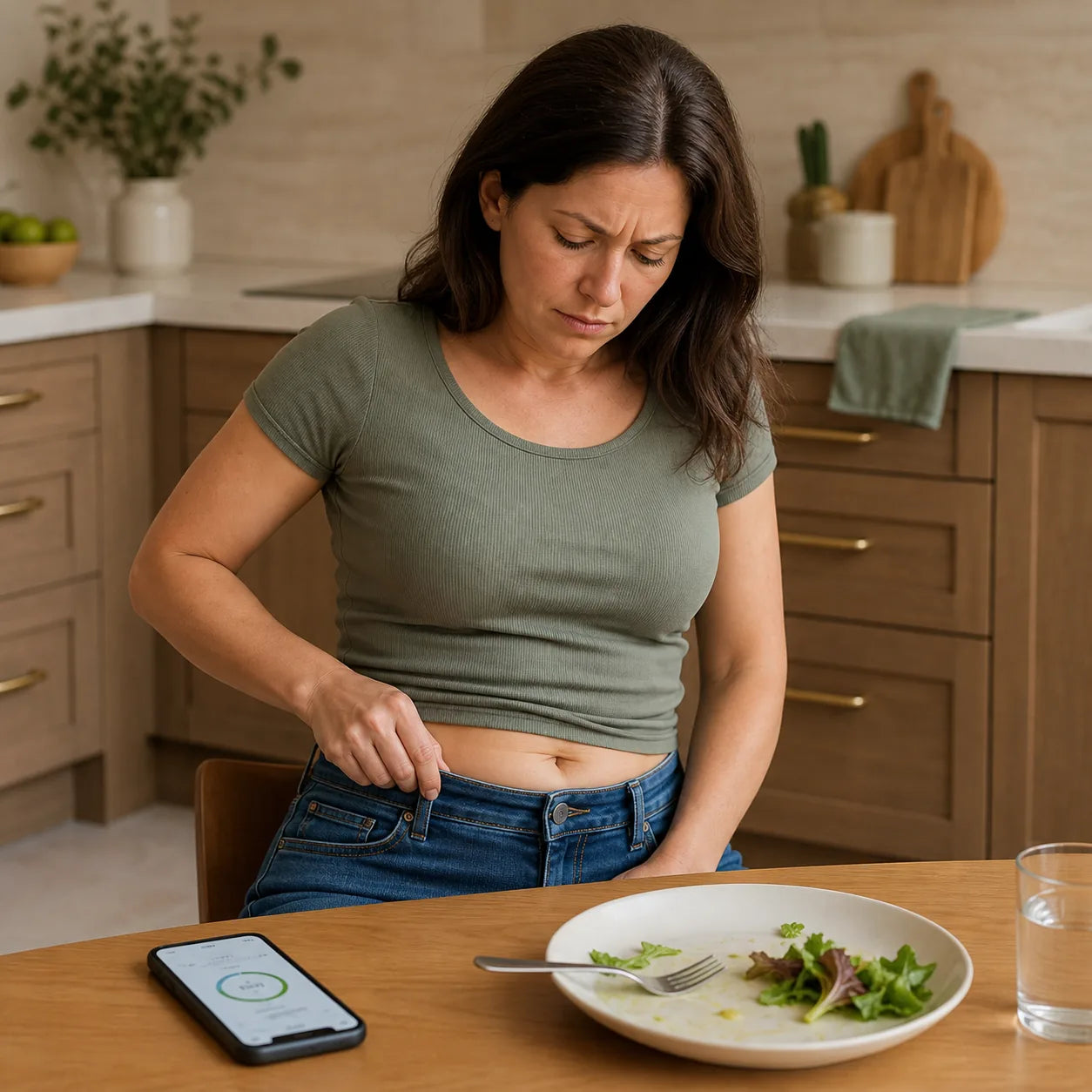
A meal can fit the calorie target and still leave you with pressure, gas, or a packed feeling afterward.
This is where a sensible fat-loss plan turns into punishment. You ask less food to create the calorie deficit, prevent every food reaction, keep bowel movements regular, control water, and fix a gut that feels uncomfortable after meals.
A smaller lunch can change energy intake. It cannot perform all of those other jobs.
The confusion makes ordinary food feel dangerous. A normal dinner looks like a setback before you have taken the first bite. A higher number the next morning feels like proof.
You begin planning photographs and dinners around your stomach. The plan that was supposed to make life easier starts deciding what you wear and whether you go out.
Your evening stomach is not a body-fat measurement
A scale reports everything standing on it. It counts body tissue and water. It also counts the food you ate, the water you drank, stored carbohydrate, and anything still moving through the digestive tract.
Your jeans register space. A meal takes up space. Gas and abdominal distension take up space. Stool that has not moved takes up space.
Researchers tracked abdominal girth across 24 hours in healthy women and found that girth rose through the day and after a standard meal. That does not mean every bloated stomach has the same cause. It shows why an evening waist is a poor body-fat test.
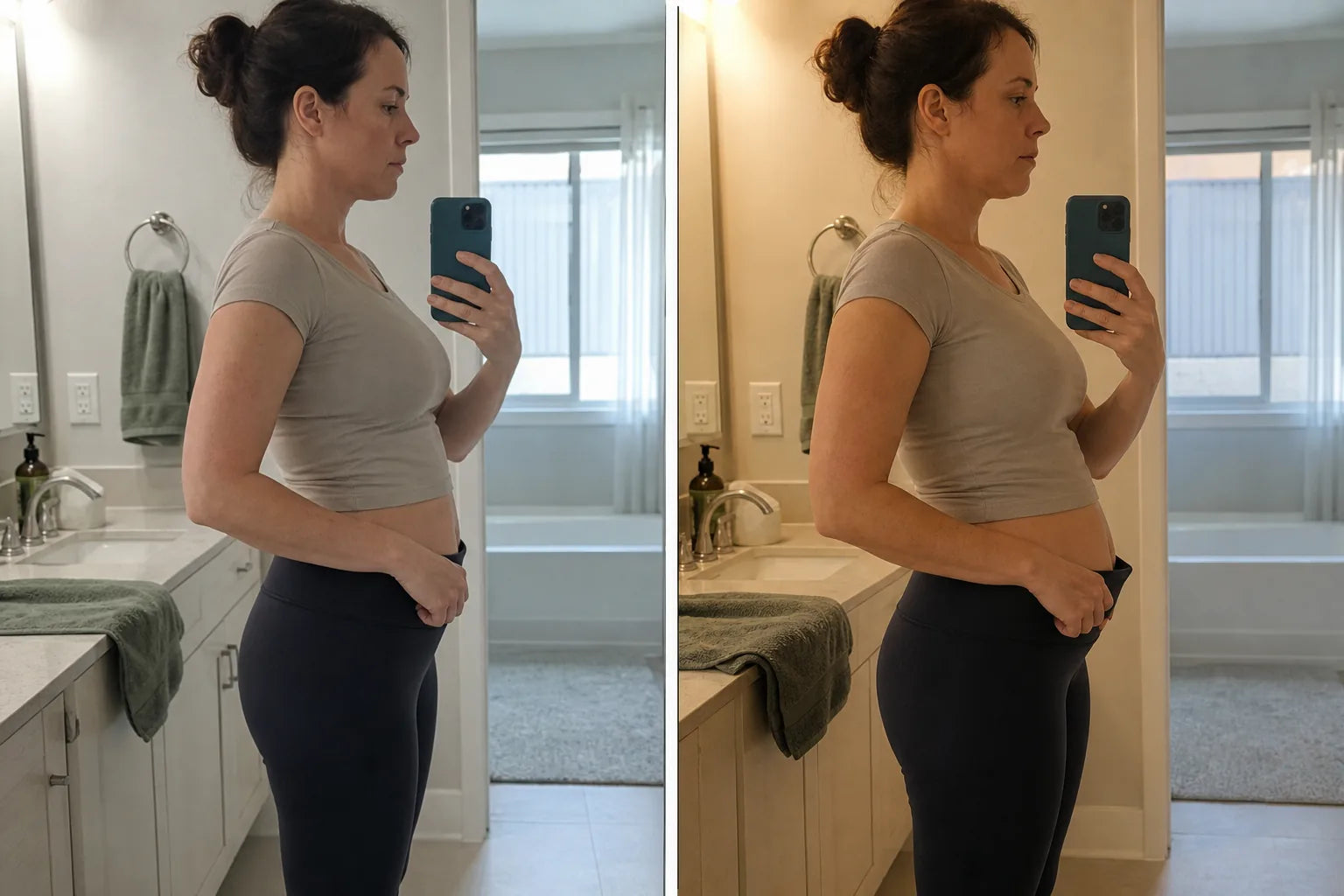
A visible change between morning and evening happens faster than new body fat can appear.
One uncomfortable afternoon can contain several different changes
The mirror and the scale combine them. Neither tells you which one moved.
The distinction matters because the wrong diagnosis creates the wrong response.
If you call every tight waistband new fat, you eat less the next day. If the pressure came from food volume, constipation, gas, or distension, the smaller meal may leave you hungrier while the original discomfort continues.
A bloated afternoon does not cancel a week of fat loss. Look at the longer weight trend and treat gut comfort as a separate observation.
The honest limitBloating has many causes. Persistent, painful, sudden, or unexplained swelling needs medical care. A supplement cannot diagnose it.
The usual quick fixes create a better morning number, then disappear
Feeling stuck makes a detox tea hard to resist. Drink it tonight. Wake up flatter. See a lower number before breakfast.
A laxative can move stool and water. A fast reduces the amount of food in the gut. Cutting carbohydrates lowers stored carbohydrate and some of the water held with it.
The scale may drop. Your stomach may look flatter for a morning.
Then you eat and drink normally. Food and water return, and the number rises. You think you gained the weight back, even though the quick drop did not show how much fat changed.
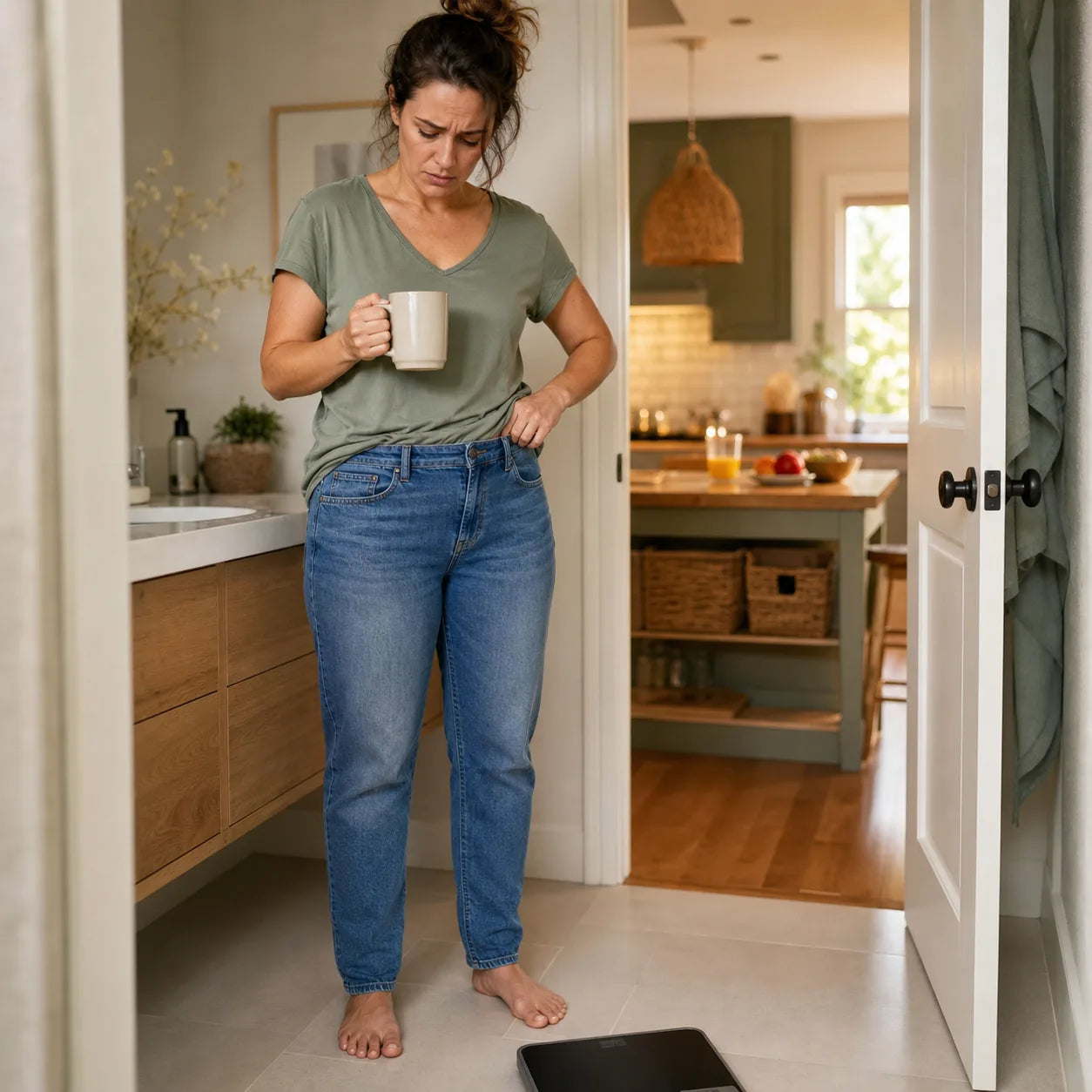
A dramatic next-morning drop often measures less water and gut content. Normal food makes part of it return.
This cycle trains you to chase the emptiest version of your body. Hunger starts to feel productive. Repeated bathroom trips become proof that the tea is working.
A useful daily routine should fit beside breakfast and lunch. It should not require a fast, dehydration, or a workday planned around a bathroom.
- Cut another meal, then spend the afternoon hungry and swollen
- Add more fiber at once, then wonder why the pressure increased
- Use a laxative tea, then watch the lower number return after food and water
- Buy plain mineral drops, while leaving gut-binding support to another product
- Restart on Monday because one difficult afternoon made the week feel wasted
Modern diet food can concentrate the ingredients your stomach notices
Calorie cutting often changes the form of the food before it changes the total.
Breakfast becomes a protein powder with sweetener and gums. The label may add a large dose of fiber. Lunch becomes a bar beside a large coffee. Dinner gets loaded with vegetables because the app gives you more volume for fewer calories.
Every choice can fit the target. The combined day can still leave a sensitive person gassy, constipated, or uncomfortable.
More fiber can help some people. Adding a large dose quickly can also increase gas and pressure. Fermentable carbohydrates bother some people more than others. Repeating the same sweeteners and gums across a shake and two bars can matter more than the calories suggest.
The app gives the lower total a green check. It does not know how the meal feels in your stomach two hours later.

The label can describe calories and nutrients. It cannot predict how every combination will feel after lunch.
The answer is not to fear food. It is to stop reading a swollen stomach as an automatic order to remove more food.
Keep the habits that create fat loss. Track the time of day the pressure begins, the foods that repeat, bowel regularity, and how the same clothes fit in the morning and evening.
That gives you a pattern instead of another punishment.
Gut-binding support performs a different job from eating less
Everything you swallow passes through the digestive tract. A gut binder works inside that physical space.
A randomized, placebo-controlled human study tested a purified clinoptilolite product in 42 healthy adults. Clinoptilolite is a natural form of zeolite with a cage-like mineral structure.
Participants took clinoptilolite or placebo with a small oral lead tracer. Researchers measured how much of the tracer entered the body. Under the study conditions, the groups taking clinoptilolite showed about a 90 percent reduction in uptake.
The study did not test Trace. It did not measure body fat, weight loss, or everyday bloating. It supports one narrow point: purified clinoptilolite can provide measurable binding activity inside the human digestive tract.
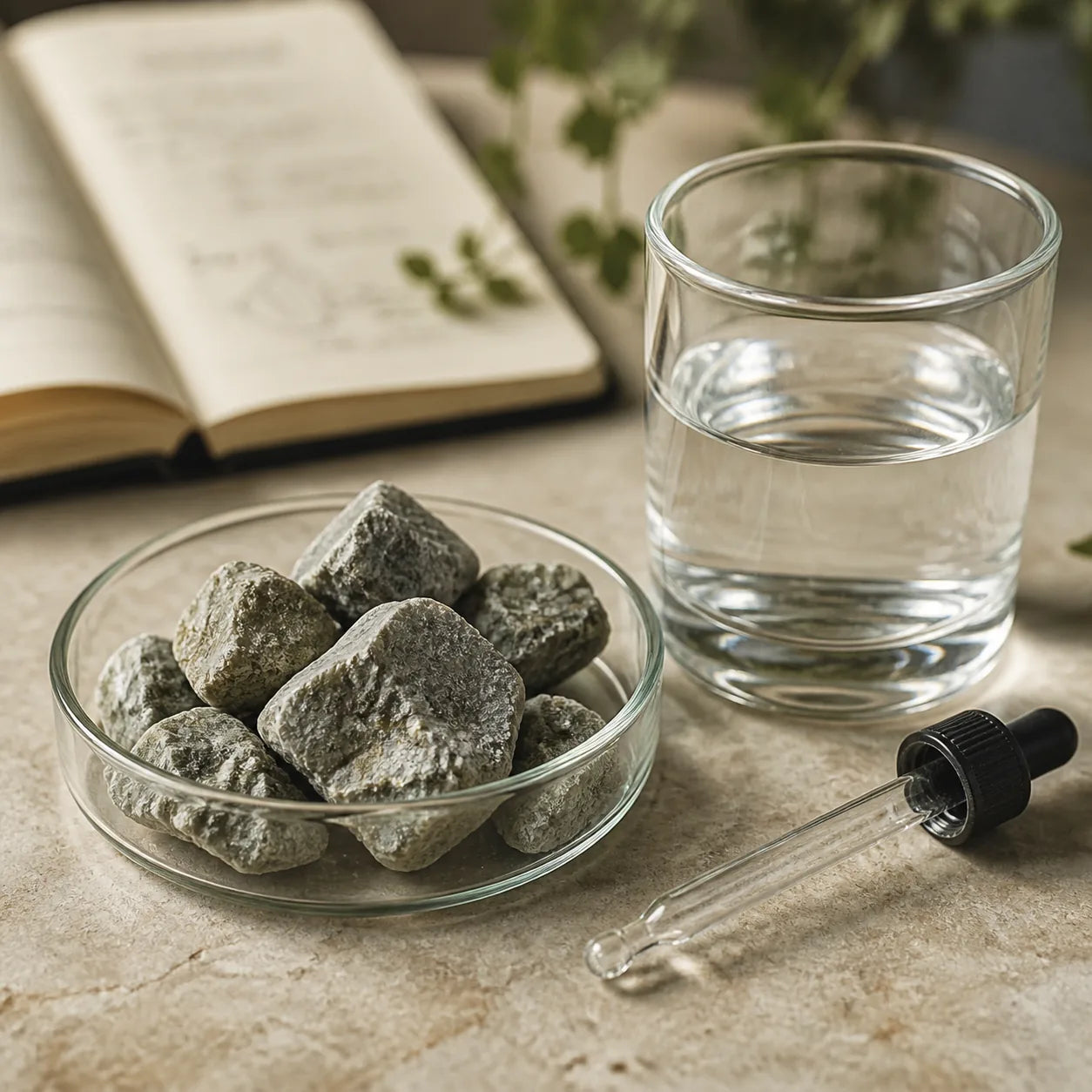
Purified clinoptilolite provides binding support where swallowed material passes through the digestive tract.
Eating fewer calories changes energy intake. A binder performs a different job inside the gut.
That difference explains why another smaller lunch can leave the same afternoon problem untouched. The lunch controls one part of the weight-loss plan. It does not add gut-binding or mineral support.
Trace was built for the afternoon that makes you want to quit
Trace combines cleansed clinoptilolite zeolite with shilajit-derived humic and fulvic compounds.
The zeolite supplies gut-binding support. The humic and fulvic compounds supply mineral support. The directions call for ten drops in a glass of water twice a day.
One bottle contains 120 servings, enough for the full 60-day routine when used as directed.
Trace does not ask you to replace lunch with tea. It does not rely on diarrhea, dehydration, or an empty stomach to create a dramatic morning number.
You keep the calorie target that makes sense. You keep eating enough protein. You keep the walking, lifting, or other movement you can repeat.
Trace sits beside those habits and gives gut-binding and mineral support one simple place in the day.
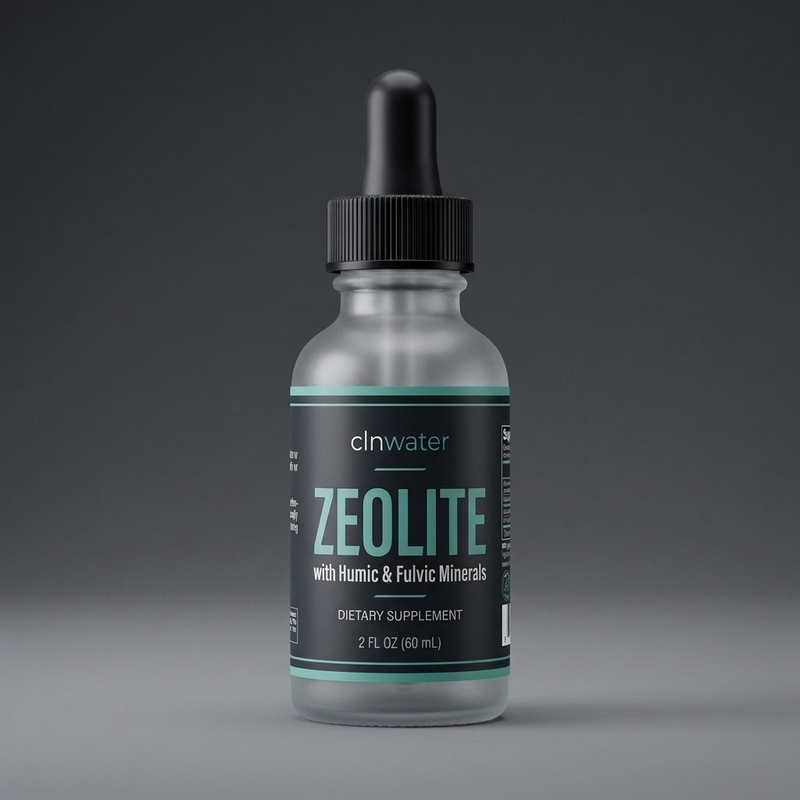
Support a lighter, more comfortable stomach after meals
Trace adds gut-binding and mineral support beside the meals and movement responsible for your fat-loss trend.
The change worth tracking is the one that affects your day
A person who feels lighter after lunch does more than button the same jeans.
She returns to work without replaying every ingredient. She does not unbutton her jeans in the car. She keeps dinner on the plan because she is not trying to punish herself for feeling swollen.
She can wear the shirt she chose in the morning without changing before meeting friends.
The next morning, one scale reading does not decide whether the week worked. She compares seven-day averages and counts how many afternoons ended without the pressure that used to make her want to quit.

The useful outcome is a routine that remains livable while the slower fat-loss trend has time to show.
That is the difference between a product benefit and a laboratory claim.
The clinoptilolite study supports the binder's activity inside the gut. The finished product reviews describe what individual Trace buyers noticed in ordinary life.
What verified buyers say changed
“My bloating is way down and I don't feel heavy every afternoon. Easy to stay consistent with.”
Sofia G. · Verified buyer“Skeptical about anything called 'cleanse,' but the afternoon fog lifting was undeniable. Three weeks in and I'm sold.”
Rachel M. · Verified buyer“Honest: it took me five weeks to feel it, and I was skeptical. Glad I stuck with it, the energy is real now.”
Priya N. · Verified buyer“They publish the lab test, which is why I bought. The energy was the bonus I didn't expect.”
Marcus B. · Verified buyerCustomer reports describe individual experiences. They do not prove that every buyer will get the same result or timing.
Give the routine enough time to produce an honest comparison
Do not start Trace on the same day you begin fasting, switch probiotics, double fiber, and add a punishing workout. If the afternoon changes, you will not know which decision mattered.
Keep meals and water stable enough to compare one week with the next. Follow the same movement plan.
Note morning and evening waist comfort. Write down the hour heaviness begins, along with bowel regularity and afternoon energy.
Take Trace as directed. Keep normal meals in place and record comfort after lunch and dinner.
Use a seven-day scale average for the weight trend. Keep waistband pressure and bloating as separate observations.
Review the same clothes at the same time of day. Compare meal comfort and regularity. Count how often heaviness made you want to abandon the plan.
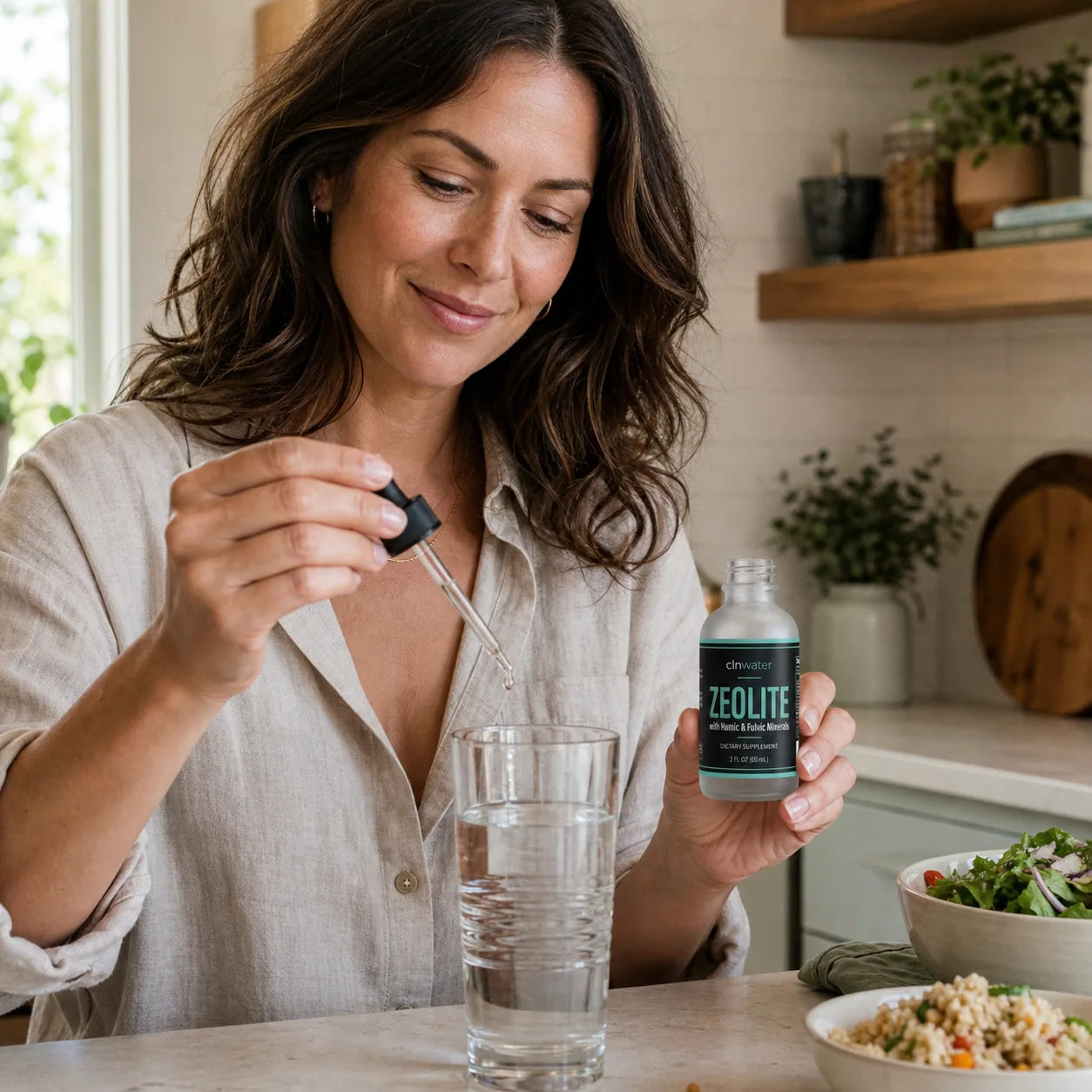
The routine fits beside normal meals, which makes the comparison more useful than a weekend fast or laxative cleanse.
Some buyers on the current product page report changes around three weeks. Another says it took five weeks. The product page describes a two-to-four-week window while acknowledging that timing varies.
The 60-day guarantee gives you enough time to watch the pattern without turning one morning into a verdict.
Compare the job each approach performs
Every option changes something different. A useful comparison starts with the job instead of the word “cleanse.”
| Approach | What it does | Why the heavy afternoon may remain |
|---|---|---|
| Cut more calories | Creates a larger energy deficit | Does not identify gas, stool, distension, food reactions, or add gut-binding support |
| Protein bars and shakes | Make calorie and protein targets easier to hit | Repeated fibers, gums, or sweeteners can bother sensitive people |
| Laxative cleanse | Moves stool and water quickly | The lower number can return after normal food and water |
| Plain mineral drops | Add mineral compounds | Do not include zeolite gut-binding support |
| Plain zeolite | Provides gut-binding support | Leaves mineral support to another product |
| Trace | Pairs zeolite with humic and fulvic compounds | Fits beside a sustainable calorie plan without forcing laxative output |
Trace has a defined role. It supports the gut with zeolite and supplies humic and fulvic mineral compounds while your food and movement habits create the fat-loss trend.
Questions to answer before ordering
Trace is not a fat burner. Your calorie and movement habits determine the fat-loss trend. Trace supplies gut-binding and mineral support beside those habits.
The routine does not depend on laxative output or dehydration. Judge it by repeated afternoon comfort and the longer weight trend.
No. Bloating has many causes. Persistent, painful, sudden, or unexplained swelling needs medical care.
A small randomized human trial found that a different purified clinoptilolite product reduced uptake of an oral lead tracer. It did not test Trace, weight loss, or everyday bloating.
The current directions state ten drops in water twice daily. One bottle contains 120 servings. Follow the label and drink enough water through the day.
Binders may affect the timing of absorption. Ask a qualified clinician about spacing if you take prescription medication. Pregnant or nursing customers should also speak with a clinician first.
The current offer includes a 60-day money-back guarantee. The product page states that opened bottles qualify and nothing needs to be shipped back. Review the current terms before ordering.
Review the ingredients and guarantee
Stop answering every tight waistband with less food tomorrow
You can keep treating each swollen afternoon as proof that lunch ruined the diet.
That path ends with a smaller meal, more hunger, and the same confusion when your stomach feels heavy again.
Or you can keep the fat-loss basics steady and give gut comfort its own support step.
Eat the lunch you planned. Track the longer weight trend. Compare morning and evening comfort without calling every change new fat.
Trace combines zeolite gut-binding support with humic and fulvic mineral compounds in a ten-drop, twice-daily routine.
The 60-day guarantee gives you time to judge ordinary afternoons instead of one dramatic morning.
See whether Trace helps you feel lighter after meals
Keep normal food in place while Trace supplies gut-binding and mineral support.
Check availability