
This week's batch is moving fast and stock is limited. The clnwater Halo Filtering Shower Head is on sale today.
You keep treating your skin. The thing drying it out runs over you every morning.
Years of moisturizers, hair masks, and "gentle" cleansers, and the tight skin still comes back. The cause isn't in the bottle. It's in the water coming out of your showerhead, and it shows up in the municipal report long before it shows up on your face.
Run your fingers along your cheek twenty minutes after a hot shower. That faint tightness, the flake that catches on your jaw, the itch behind your ear: most people file it under "sensitive skin" and reach for more lotion. The skin is reacting to something. It just isn't the thing on the shelf.
By now you've built a quiet routine around it. A richer cream at night, a new shampoo every few months, a hair oil you don't fully trust but keep buying anyway. None of it holds for long, and that pattern is the tell. When a problem shrugs off every product aimed straight at it, the cause usually sits upstream of the products, somewhere you haven't thought to look.
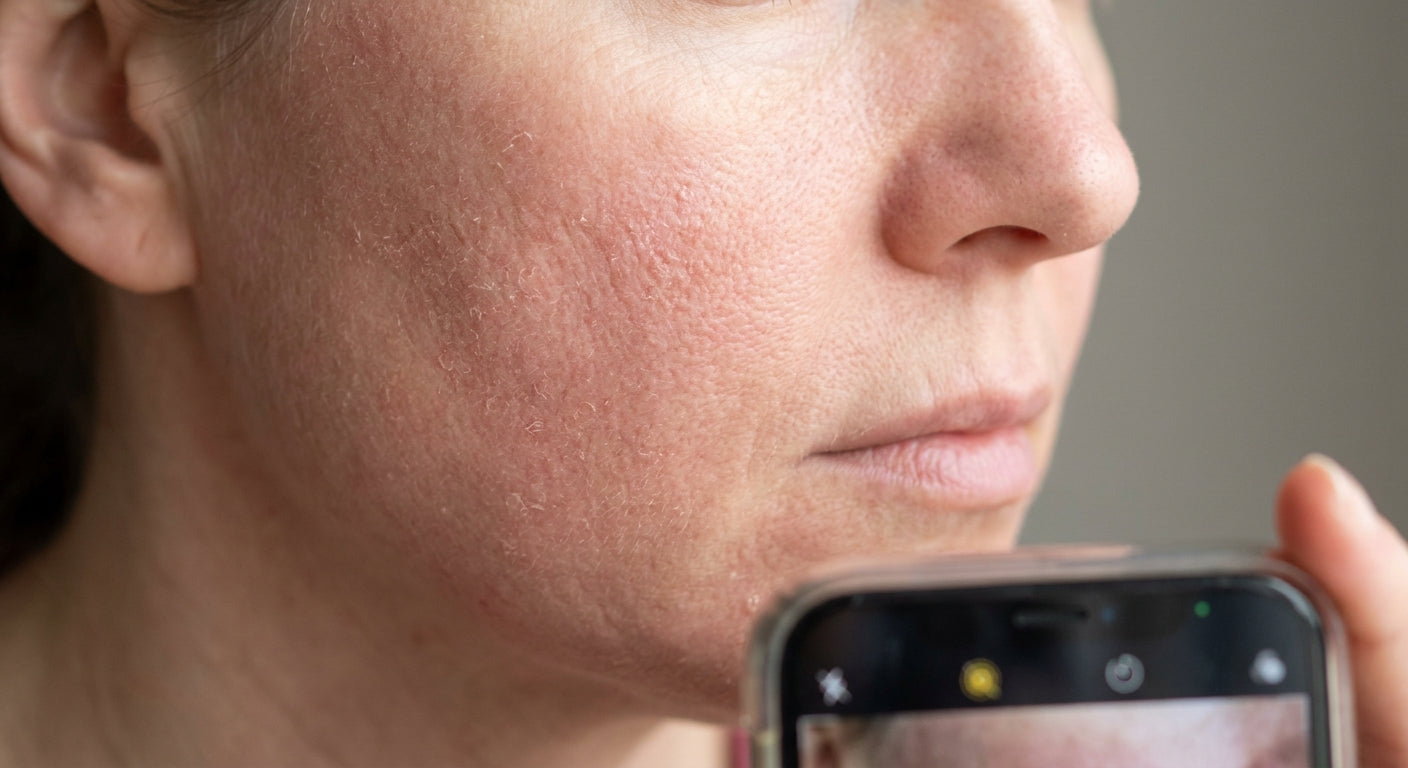
Jenna L., a thirty-four-year-old mother of two in Denver, spent six years showering under a chrome head that came with the house. She scrubbed, moisturized, and switched shampoos four times. One night at 10:40pm she finally read her city's water-quality report, and the thing she'd been treating turned out to be the thing she stood in every morning.
I was treating my skin every night while the thing drying it out poured over me for ten minutes every morning.
Your shower turns chlorinated tap water into a mist you stand in.
Almost every municipal system adds chlorine or chloramine to keep water safe on the way to your house. Good for the pipes. Different story for your skin. Hit that water with a hot shower and some of it aerosolizes into a fine mist that lands on your skin and hair and breathes in for the length of the shower. The bathroom door is closed, the fan barely keeps up, and you spend eight to twelve minutes inside that cloud.
The level that's safe to drink is the same level that, poured over you hot several times a week, strips the oils that keep your skin barrier intact. Drinking a glass of it gives the chlorine a few seconds of contact. A daily shower gives it ten minutes against the largest organ you have. The water never had to be unsafe to do this. It only had to be chlorinated, which it almost always is.
What chlorine does to skin and hair, every single shower.
Dermatology has a name for the layer chlorine erodes: the acid mantle, the thin film of oil and slightly acidic moisture that holds water in and keeps irritants out. Hot water softens that film. Chlorine oxidizes it. Do that daily for years and you get the dry, tight skin that no post-shower lotion fully fixes, because you're refilling a bucket with a hole in it.
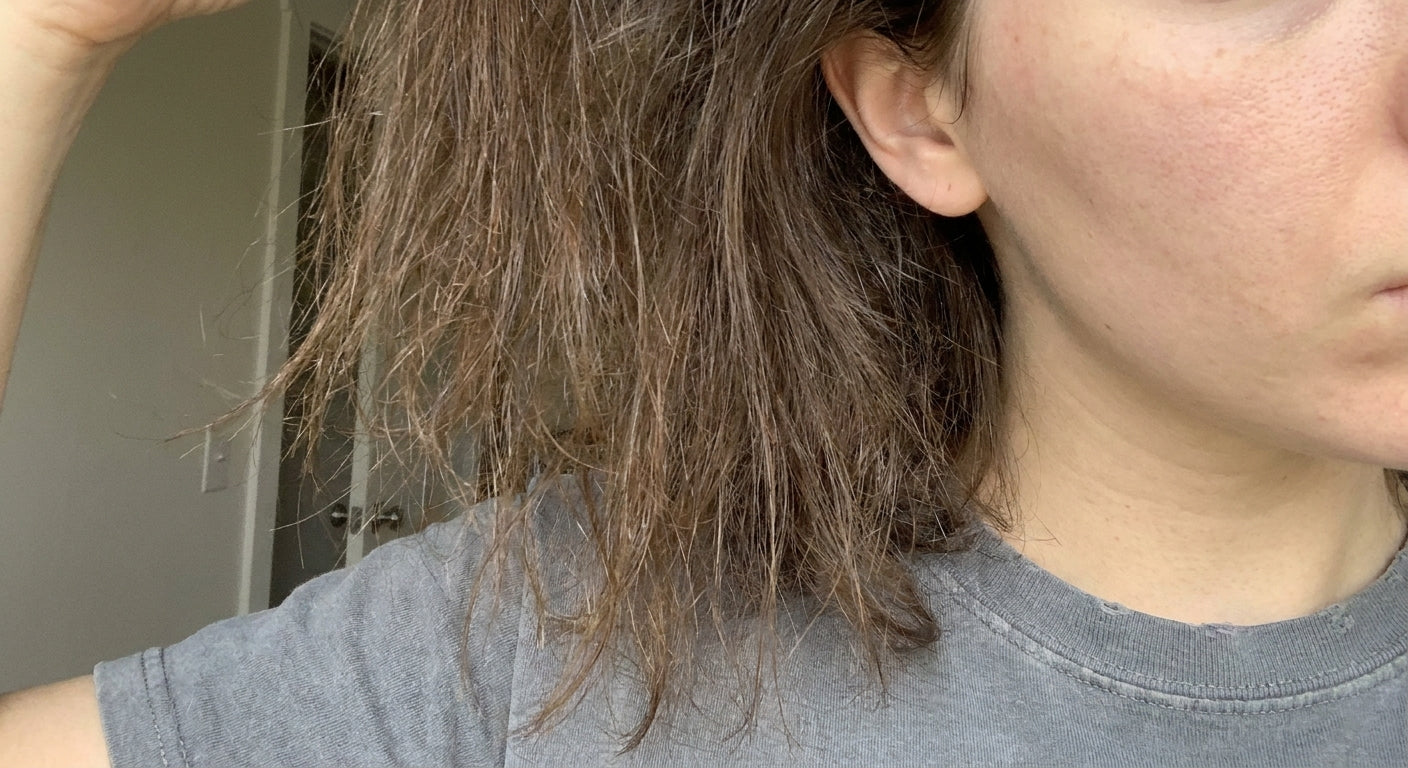
Hair takes the same hit. The cuticle lies flat when it's healthy and lifts when it's damaged. Chlorine lifts it. Lifted cuticles catch light badly, which reads as dull, and snag on each other, which reads as frizz and breakage. If you color your hair, the same oxidation that roughens the cuticle also pulls the color out faster, which is why the salon shade you paid for fades weeks before it should.
The fix runs upstream of every bottle in your shower.
Every product in there treats a symptom: wash, re-oil, mask, repeat. A shower filter does the opposite. It pulls the chlorine out of the water inside the showerhead, so your skin and hair never meet it. Nothing to apply, nothing to remember, no new step in your morning. You shower the way you already do, and the water arriving on your skin is simply cleaner than it was yesterday.
Look inside the cartridge and it isn't one disc of cheap carbon. It's a six-stage cartridge clnwater calls the Galvanic Core, and two of its stages do the work that carbon-only filters can't.
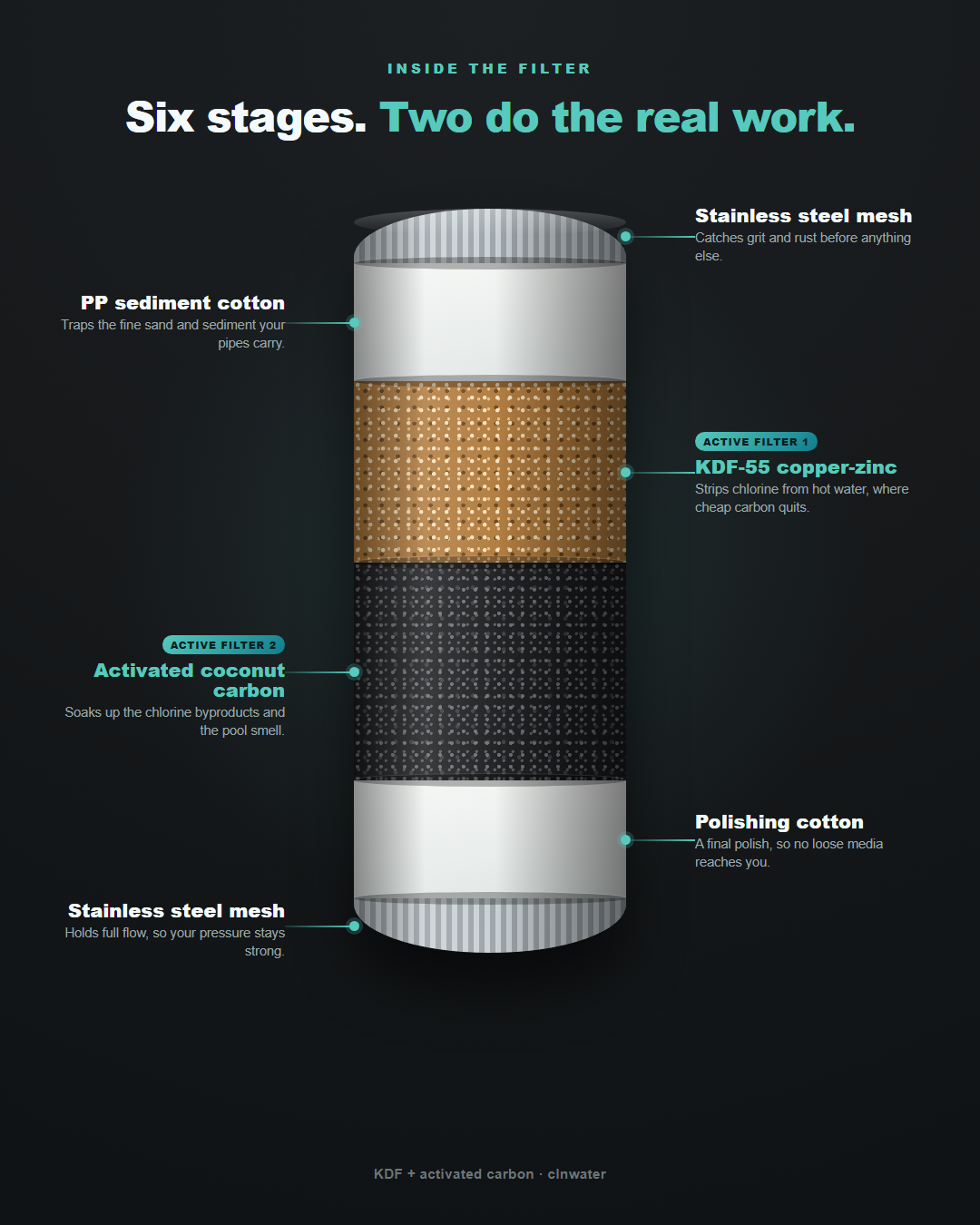
KDF-55, a copper-zinc alloy, pulls chlorine out through a simple redox reaction, the exact stage carbon-only filters fail at because carbon loses efficiency as water heats up. Filter engineers call that failure the Hot-Water Gap, and closing it is the difference that matters. The $15 filter on the same shelf is usually a thin puck of carbon that quits inside two weeks of hot showers, which is why so many people try one, feel nothing, and write off the whole idea.
Activated coconut carbon handles the next job, absorbing the chloramine byproducts and the chlorine smell that hangs in the steam. After that the sediment and polishing cotton catch the grit, rust, and sand that come loose from old pipes, the particles you never see until they're sitting in a white tub. Six stages, each doing one thing, stacked in the order water moves through them. By the time it reaches your skin, the thing drying it out is gone.
If you want proof this isn't placebo, owners hand you one without being asked. It's called the Worn-Cartridge Test: around day 90, when the media inside is spent, the dry, itchy skin quietly comes back, then disappears again a few days after the swap. As one r/SkincareAddiction commenter put it, "I know it's not placebo, because as the cartridge wore out my legs started getting dry and itchy again." A placebo does not run on a 90-day schedule.
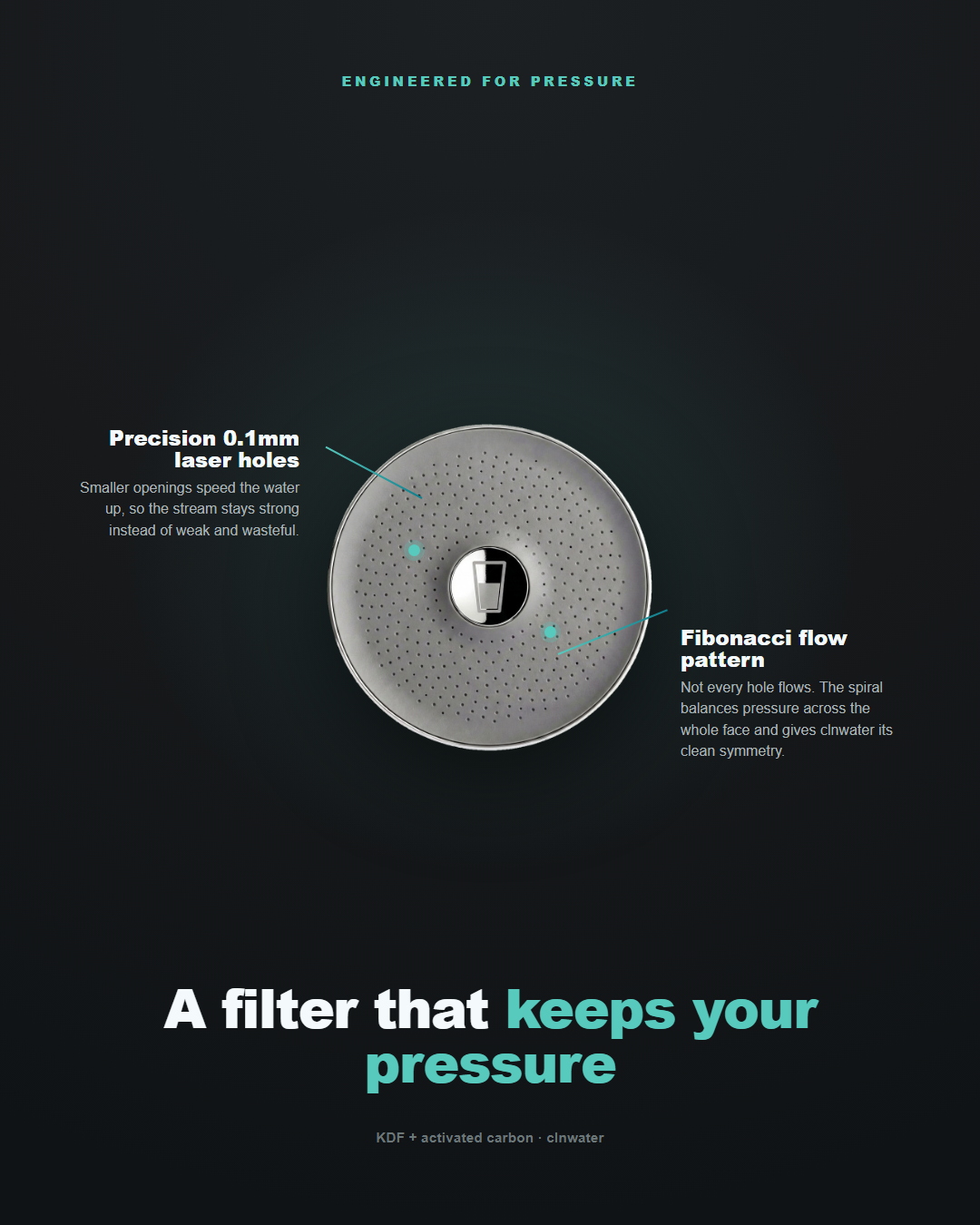
That last point trips people up, because most water-saving heads earn their numbers by strangling the flow. This one routes the water through the media and out a face engineered for pressure, so the shower still feels like a shower. You notice the chlorine is gone. You don't notice the filter is there. That's the whole idea: it should disappear into your routine, not announce itself every morning with a weak trickle.
It threads onto your shower in five minutes. No plumber.
Unscrew your old head, hand-tighten this one onto the same arm, done. It fits any standard shower arm, which covers the vast majority of US showers. No tools, no tape, no call to anyone, no part of your wall that has to come apart.
This is the step where most upgrades die. People picture a plumber, a Saturday, a box of fittings, and they put it off for another year of dry skin. There's none of that here. If you can change a lightbulb, you can do this, and you can undo it just as fast when you move.
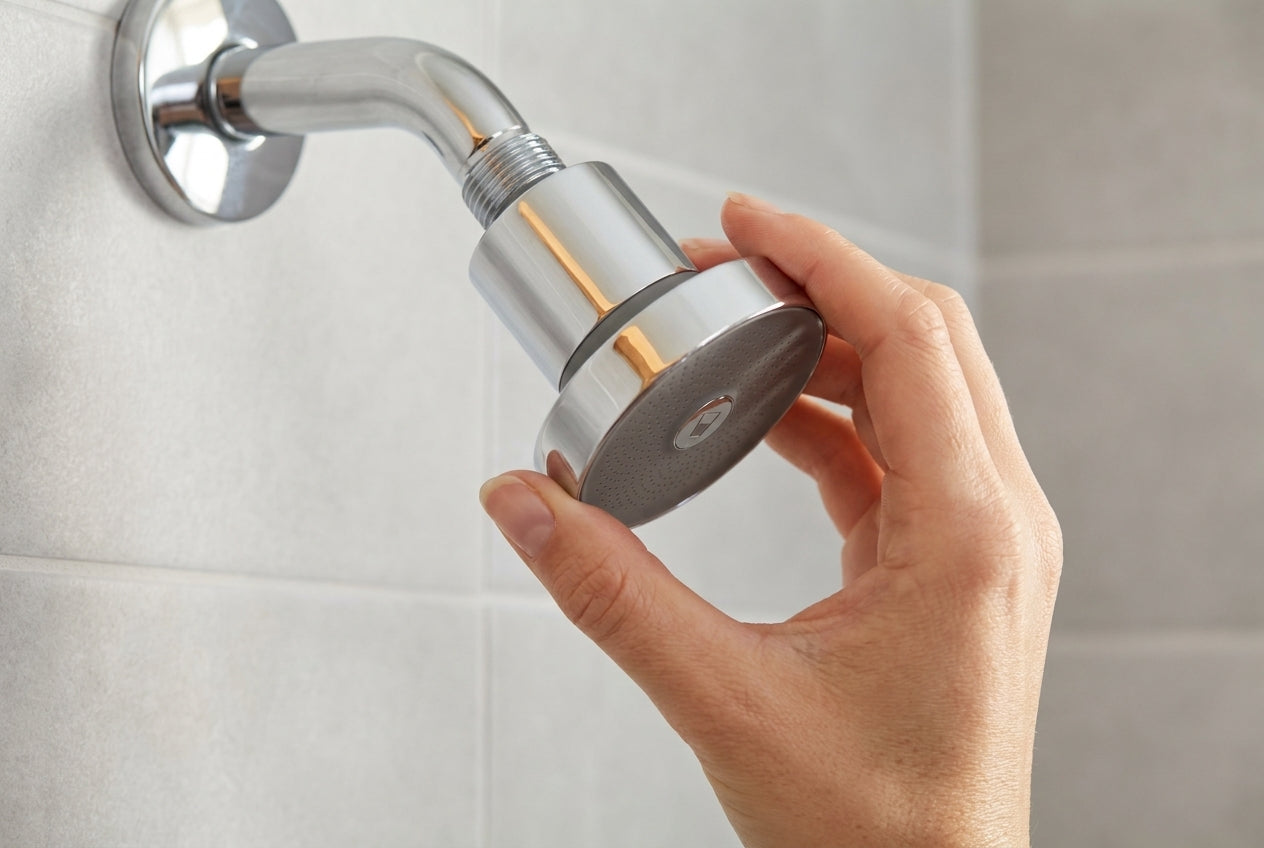

The whole job is one twist. Most people do it in the time it takes the water to warm up, and renters like it because nothing about it is permanent. You take it with you when you move, thread it onto the next shower arm, and keep your old head in a drawer for the day you hand the keys back.
The head itself is polished chrome with a perforated face, so it reads like a fixture rather than a gadget bolted to your wall. The filtering happens inside the body, out of sight, where the Galvanic Core lives. From the outside it's a shower head. Inside, it's the part that actually changes your water.
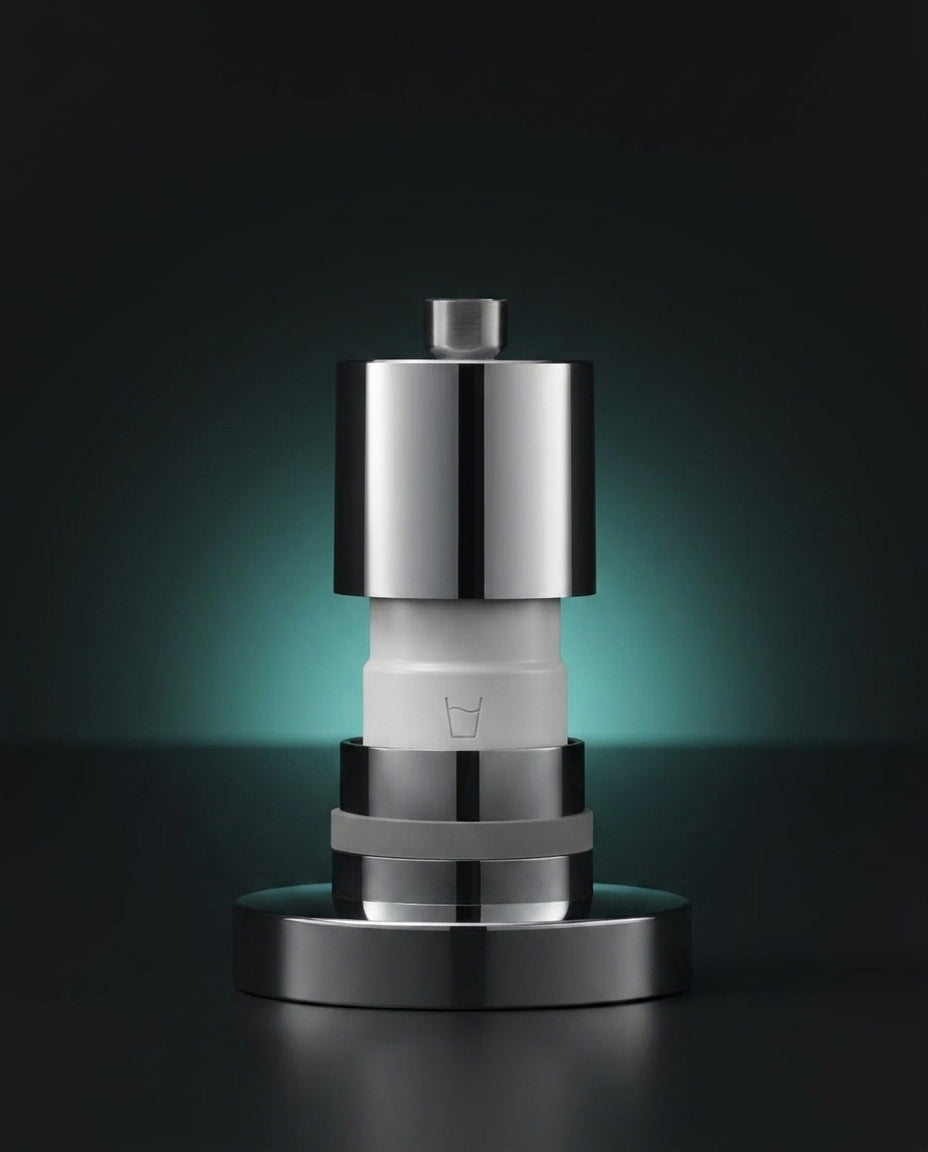
One head. One six-stage Galvanic Core. Full pressure.
- KDF-55 copper-zinc: strips chlorine from hot water, where cheap carbon quits.
- Activated coconut carbon: absorbs byproducts and the pool smell.
- Sediment + polishing cotton: catches grit and rust so nothing loose reaches you.
- Full-flow face: all that filtering, and your pressure stays strong.
The small Utah brand people keep recommending.
The name that keeps coming up in r/SkincareAddiction, r/HaircareScience, and the parenting threads about this is clnwater. A small operation out of Utah making a Halo filtering shower head that threads onto any standard arm in about five minutes. They sell the replacement cartridges on their own and back the head for 60 days, which tells you they expect people to keep refilling rather than buy once and vanish. We tested it for this article. It worked.
What customers report after a month.
clnwater surveyed buyers four weeks in. The numbers below come from that survey, and individual results vary by person and by local water. They line up with what shows up in the reviews too: the changes people mention first aren't dramatic, they're the small daily ones. Less reaching for lotion. Hair that behaves. A shower that stops smelling like a public pool.
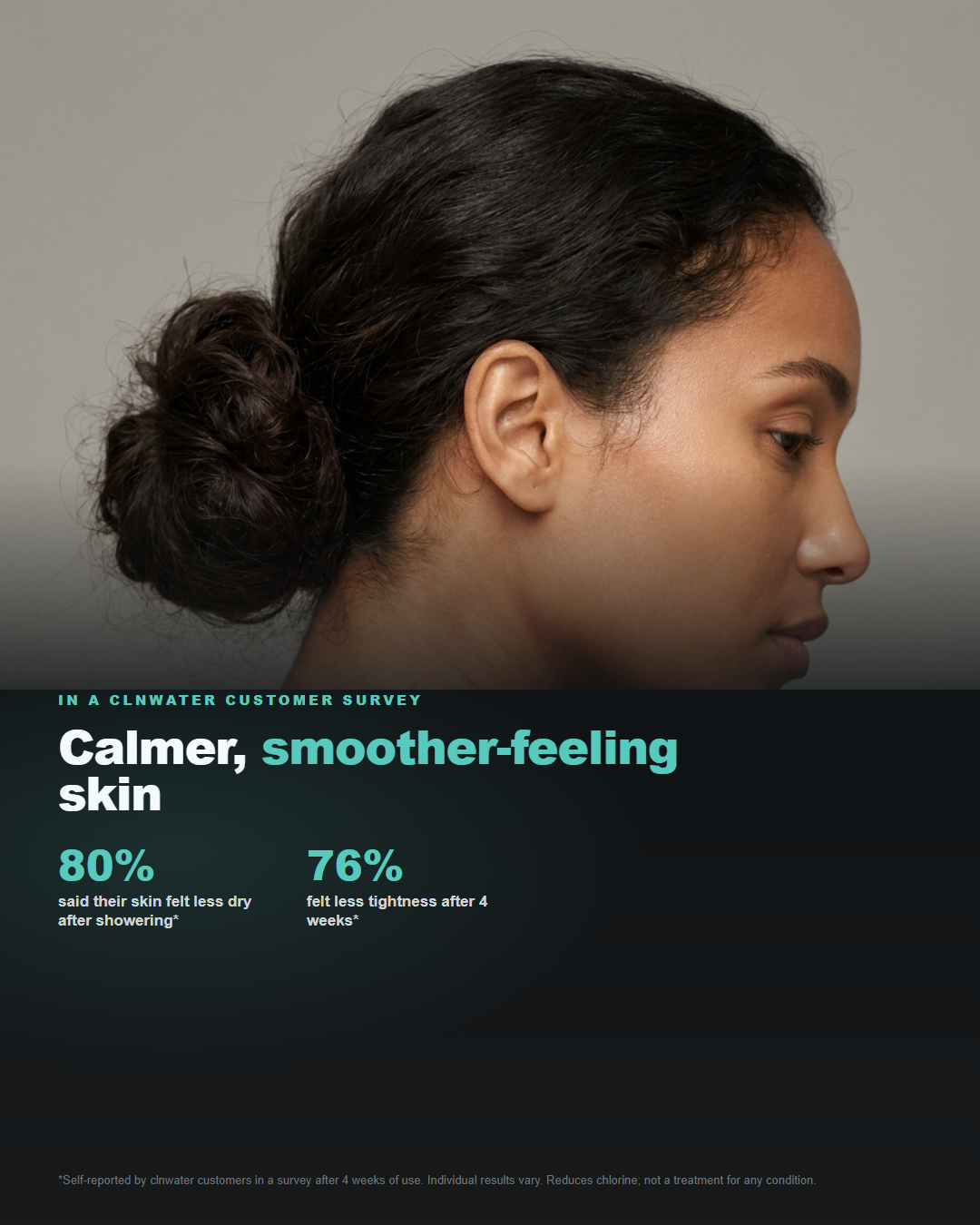
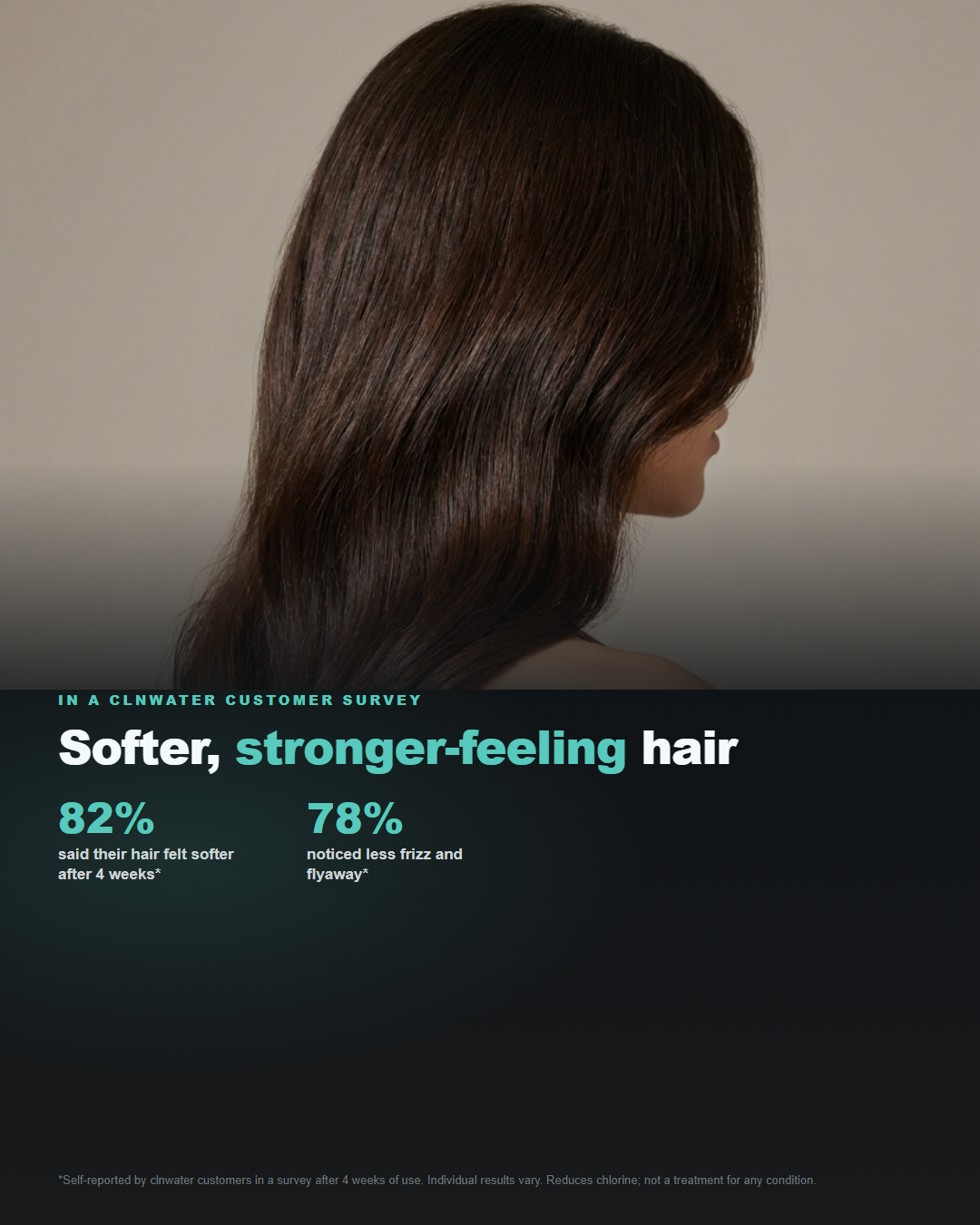
What surprises most people is how little they had to do to get there. No new serum, no ten-step routine, no appointment. They swapped one piece of hardware and let the water do the rest. Jenna put it plainly in her follow-up: she didn't get better at skincare, she just stopped sabotaging her skin every morning.
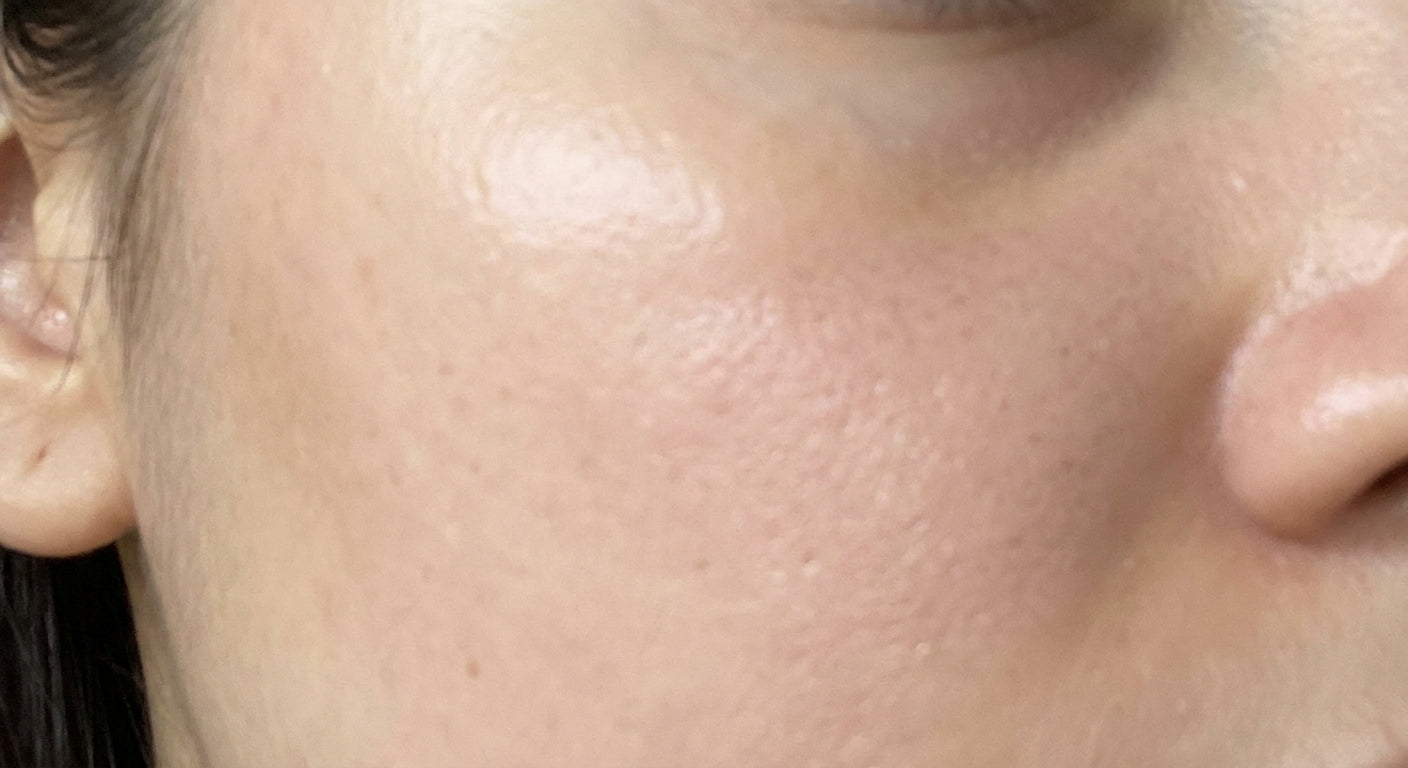
I stopped buying the $40 hair oil. The water was the $40 problem the whole time.
What to expect in your first thirty days.
Week 1. Install in five minutes, take your first shower. The first thing most people notice is what's missing: the faint pool smell they'd stopped registering. The water feels softer on the skin.
Week 2. The post-shower tightness eases. You reach for moisturizer a little less out of habit than need.
Week 3. Hair starts catching the light again. People who color tend to notice the color holding longer.
Week 4. The cartridge does its quiet job and you've stopped thinking about it. Swap it every few months and otherwise forget it.
Reduces chlorine; it isn't a water softener, and results vary by person and by local water. The honest version is that it removes a daily irritant, not that it cures a condition.
So here's where it lands.
If you've read this far, you already suspect the answer. The water is the one variable you've never controlled, and this is the simplest way to control it: one head, five minutes, no plumber, no new routine to keep up with.
It uses the media that actually works. KDF-55 plus certified activated carbon, the combination built for hot water, not the thin carbon puck that quits in two weeks.
Your pressure stays exactly where it is. The face is engineered for full flow, so the only thing that changes about your shower is what's no longer in the water hitting your skin.
And the risk is on clnwater, not you. Run it for 60 days. If your skin and hair don't change, send it back, opened or not, and get your money back. Worst case, you had a cleaner shower for a month and a full refund.
Most people put this off for years and keep buying the creams that never quite hold. The cheaper move is to fix the water once and stop paying to treat what it keeps doing.
This is an advertisement, not a news article or independent editorial. The story and individuals described are illustrative and based on composite customer experiences; individual results vary. Some photographs may depict models. Survey figures are self-reported by clnwater customers. Claims refer to reduction of chlorine and common contaminants in everyday shower water and are not medical claims. clnwater is the advertiser of the product described.